Suspension Setup for OEM Fit Front Coilovers
This article is designed to be a valuable resource for anyone looking to lift their truck or SUV as high as possible—without compromising ride quality. Fox and King both offer high-quality threaded body coilovers that allow for adjustable lift height and added support for aftermarket accessories. While both brands provide general lift height guidelines, their estimates can be vague and may lead to subpar ride performance. Our detailed recommendations help you achieve maximum lift while maintaining the smooth, controlled ride your vehicle deserves.
 0-2” or 0-3” lift coilovers | What’s the difference?
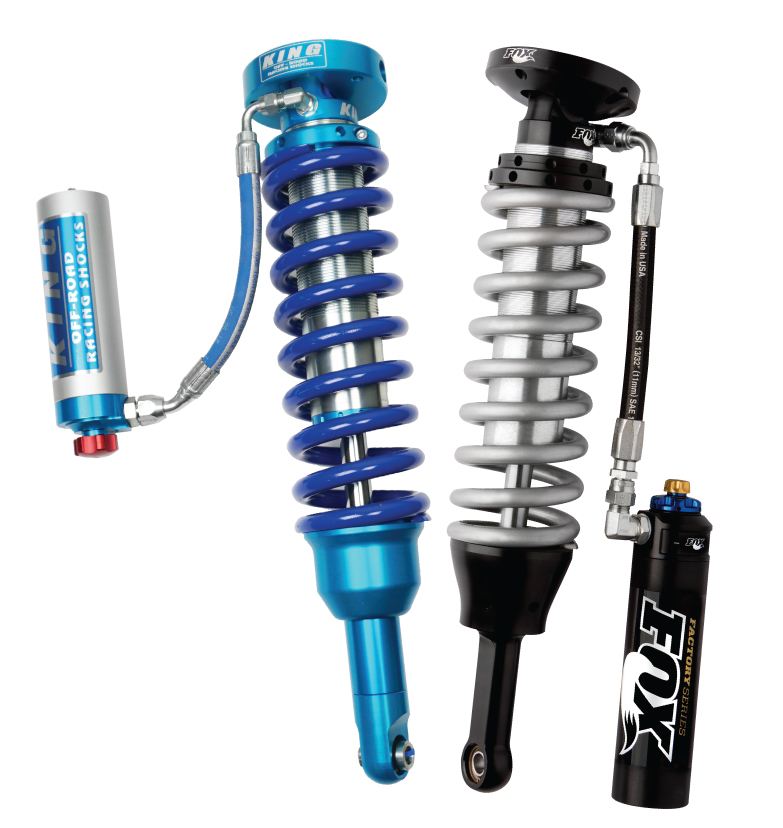
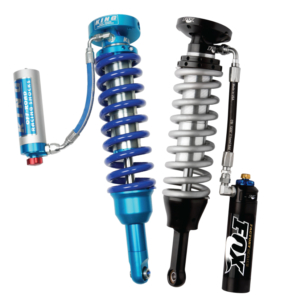
These lift heights are commonly found on aftermarket shocks. Extended 0–3” coilovers have a longer extended length compared to 0–2” options, while maintaining the same compressed length. This added length allows the coilover to be set at a taller ride height, which is why they’re often referred to as “Extended Length” coilovers. Since they allow for more suspension droop, an aftermarket upper control arm is required to achieve proper alignment and avoid contact with the coilover during full articulation.
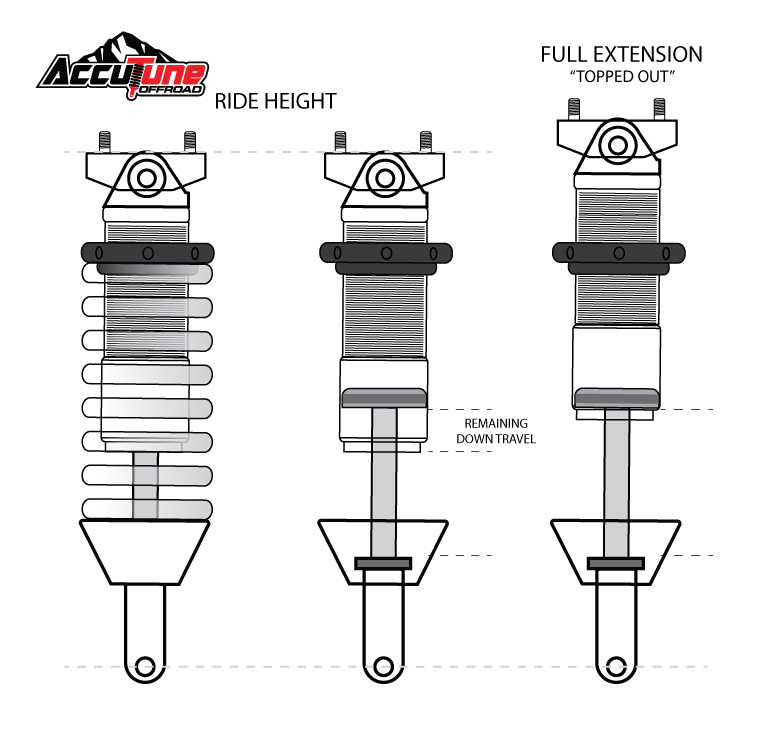
Maximum Lift Height vs Recommended Lift Height
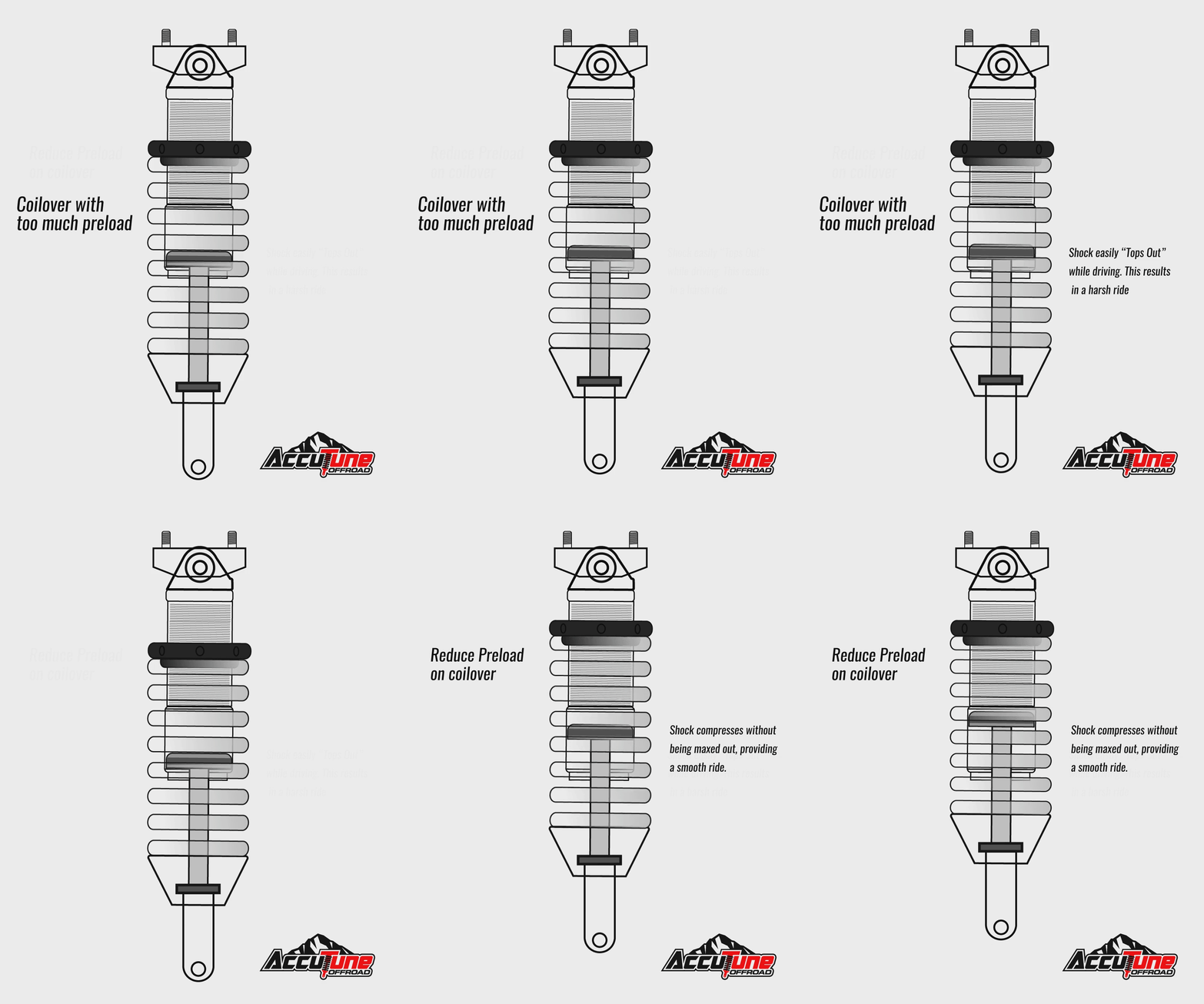
Lifting your vehicle too high can lead to increased wear and a poor-quality ride. When coilovers are set too tall, the shocks can sit near full extension with minimal droop travel left. This condition—known as being “topped out”—causes the shocks to frequently hit full extension, resulting in a harsh ride and noticeable banging or thumping noises.
To avoid this, we generally recommend setting 0–3” coilovers to around 2.5” of lift (see the chart below for exact specs). This setup not only provides a noticeable lift but also maintains a balanced ratio of up and down travel for optimal performance and comfort.
Over-preloading the coilover for extra height can also create excessive angles for CV axles (on 4WD models) and steering components, increasing the risk of premature wear. If you’re looking to lift your vehicle beyond 2.5–3”, you’ll want to consider alternative solutions such as spindle lifts, long travel kits, or drop-down bracket systems.
Be sure to reference our Max Shock Length Chart for recommended lengths at ride height.
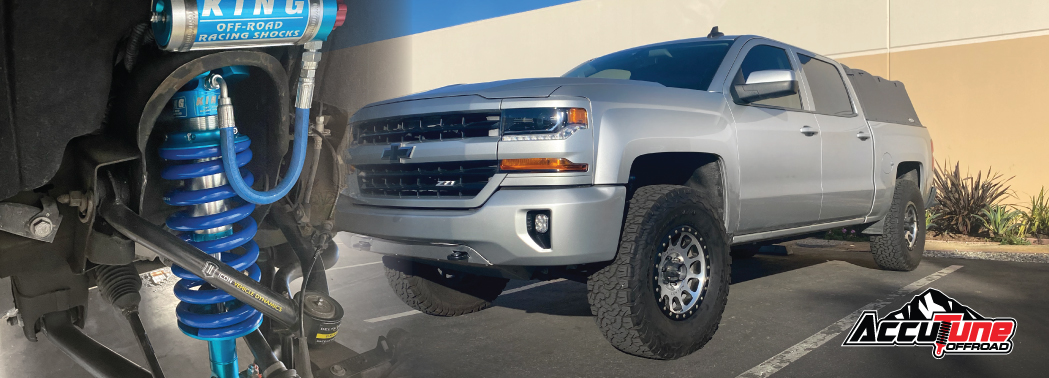
Do the coilovers come pre-set to my lift height?
Coilovers from Fox and King come preset to the manufacturer’s specifications, but they often need to be adjusted to match your specific vehicle setup. Unfortunately, we’re unable to make these adjustments before shipping.
When you receive your coilovers, note that there is a LEFT and RIGHT side—typically, the driver side will have slightly more preload than the passenger side. This is completely normal and helps compensate for the added weight on the driver side of the vehicle.
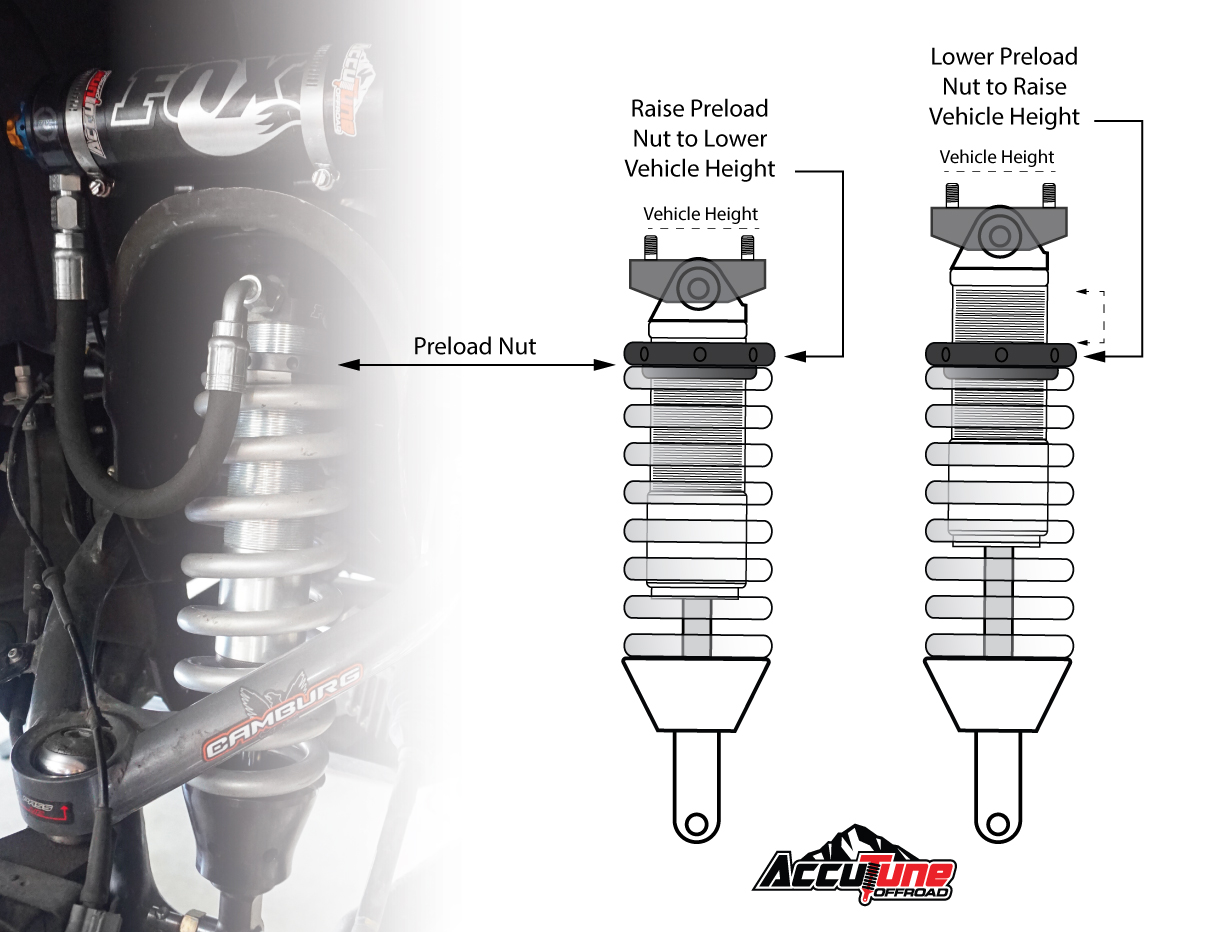
How to set the lift height on your coilovers:
-
-
Install the coilovers as shipped.
-
Settle the suspension by driving back and forth and performing a few hard stops.
-
Check the ride height:
-
If the ride height looks good, torque all hardware to spec and you’re done.
-
-
To increase ride height:
-
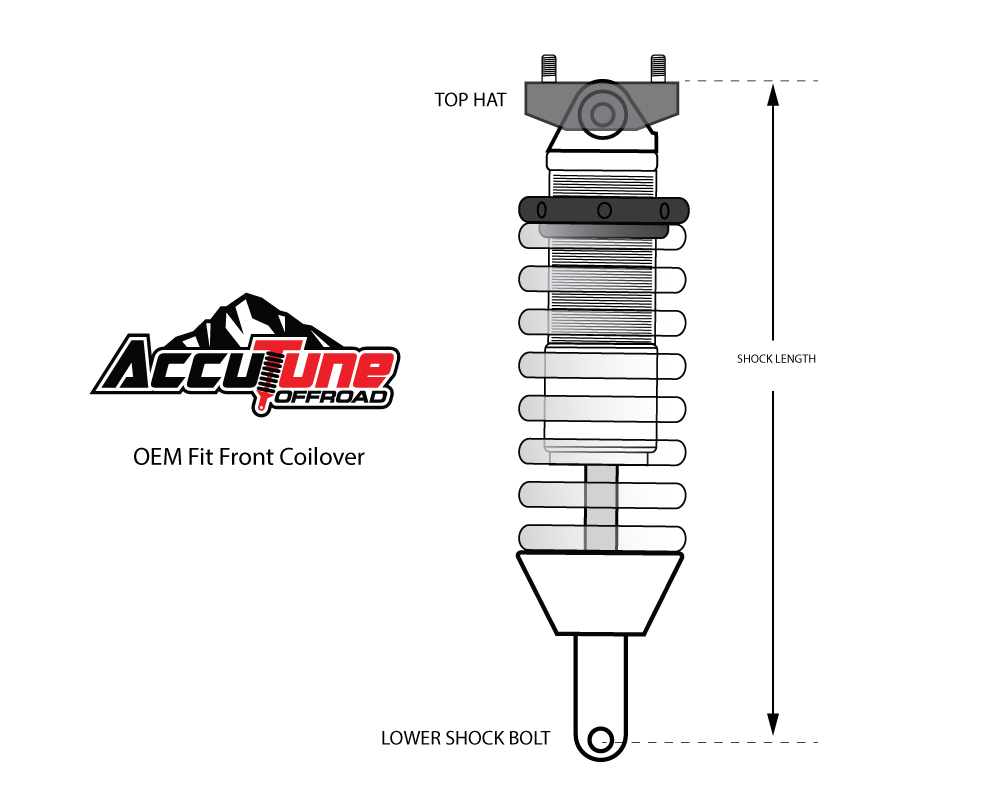
Measure the coilover at ride height on level ground (from the top of the top hat to the center of the lower shock bolt).
-
Jack up the vehicle until you reach your desired ride height, or add weight to compress the suspension to your target height.
-
Compare the new measurement to our recommended maximum (see chart below).
-
Adjust preload based on the difference between your current ride height and your target.
-
-
Important: Never adjust preload while the coilovers are installed on the vehicle. Remove them before making any changes.
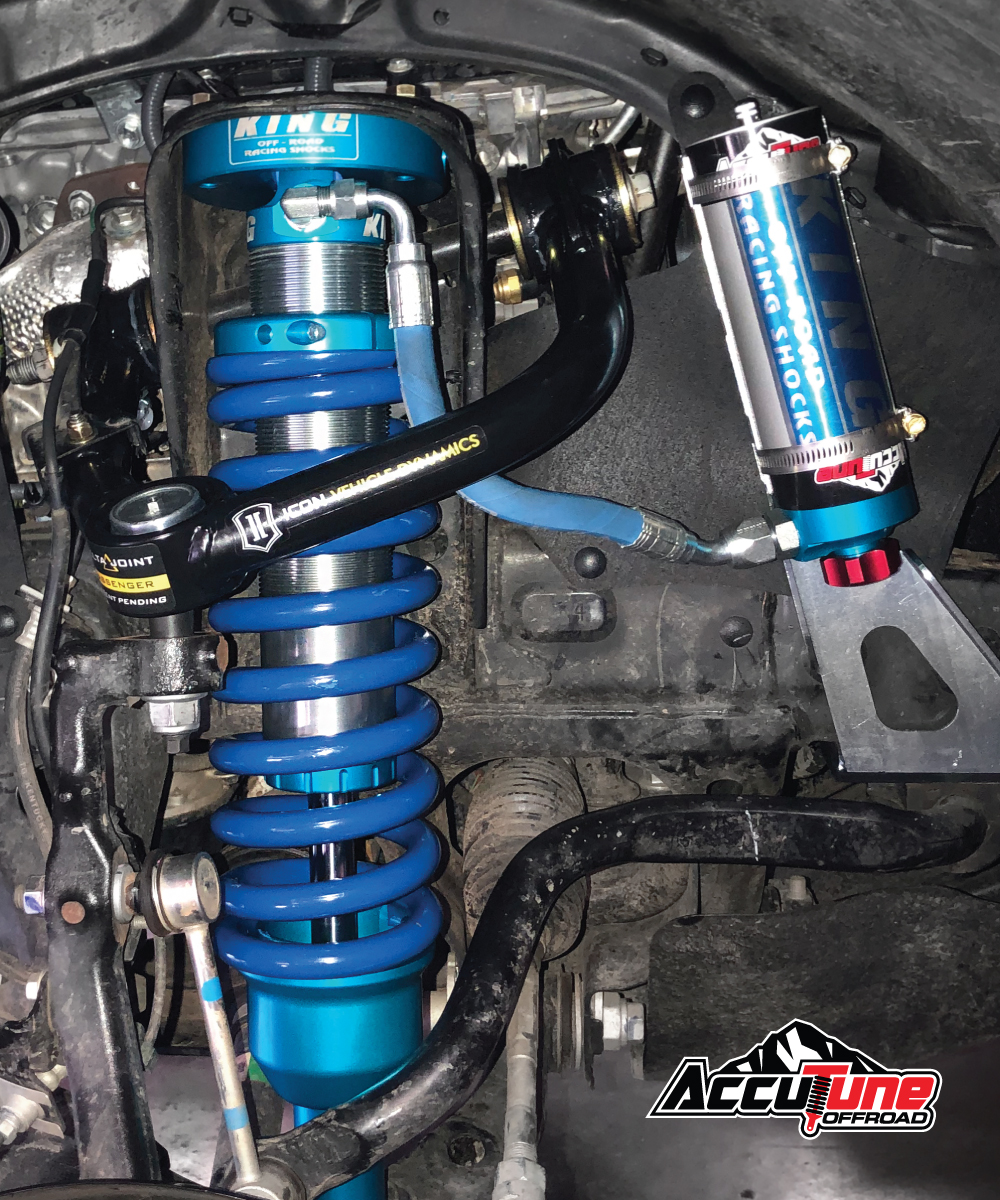
Adjusting Preload on Coilovers
Adjusting the preload on your coilovers will raise or lower the vehicle’s ride height. While this can be done at home with basic tools, we recommend having a professional shop handle it using a proper spring compressor for safety.
If you choose to make adjustments yourself, follow these guidelines:
-
Ensure the coilover is off the vehicle and not under load.
-
Loosen the preload collar set screw before making any changes.
-
Carefully rotate the preload collar—go slowly to avoid damaging the shock body threads.
-
A shock-specific spanner wrench and a light spray of lubricant can help free up a stuck collar.
Take your time and handle the components with care to avoid damage or injury.
Pro Tips:
-
Loosen the set screw just enough to relieve tension—do not remove the pinch bolt entirely. If loosened too much, the collar can skip threads and damage the shock body.
-
Maintain the orientation of the upper and lower eyelets during adjustment to avoid misalignment.
-
Adjusting preload to raise your vehicle does not compress the spring in a way that stiffens the ride. It’s a common misconception that more preload means a harsh ride, but preload simply sets ride height—it doesn’t change the spring rate.
-
Visible threads on a coilover don’t directly reflect lift height. Different spring lengths and rates can require varying amounts of preload to achieve the same height. A large amount of exposed thread is not necessarily a cause for concern.
- DO NOT: Add a spacer to the top of your coilovers
Adding a spacer to the top of your coilovers increases the extended length of the suspension, which can lead to serious issues. Overextending the suspension can damage critical components such as steering parts, axles, and brake lines. Always consider the full range of suspension travel before installing spacers to avoid costly and unsafe complications.
See this article for more details on why this is not a good option.
How to Measure your coilovers
With your vehicle at ride height on level ground, measure from the top of the coilover’s top cap to the center of the lower shock bolt. This gives you the shock length at ride height, with the vehicle’s weight fully on the suspension. Using this measurement and the shock’s total extended and compressed lengths, you can quickly calculate how much up-travel and down-travel your suspension has—helping you determine if the setup is properly balanced or at risk of topping or bottoming out.
see chart for max height suggestions