5 Common Mistakes to Avoid When Buying Off-Road Shocks and Coilovers
Buying aftermarket shocks or coilovers is one of the biggest suspension upgrades you can make to your vehicle, but choosing the right setup isn’t always as simple as picking a brand and ordering a kit. With so many options, price points, shock sizes, tuning philosophies, and suspension configurations available, it’s easy to make a decision that doesn’t deliver the ride quality or performance you expected. Before spending your hard-earned money, there are a few common mistakes worth understanding. Here are five of the biggest mistakes people make when buying new off-road shocks or coilovers, and how to avoid them.
1. Not Doing Enough Research
One of the biggest mistakes people make when purchasing new off-road shocks or coilovers is simply not doing enough research. With so many brands, shock designs, lift heights, tuning options, and price points available, it can be difficult to know which setup is actually right for your vehicle. The worst thing you can do is rush into a purchase because you are excited to get your new suspension installed.
Take your time and do your homework. Good suspension can be expensive, so it is often better to save up for the setup you really want rather than buying something now and wishing you had gone a different direction later. Spending a little more time researching can help you make a decision you will be happy with for years to come.
A good place to start is by talking directly with the company you are considering purchasing from. Explain how you use your vehicle, what modifications you have, how much additional weight you are carrying, and what you want to improve. A knowledgeable suspension company should be able to make recommendations based on your specific application rather than simply pointing you toward their most popular product.
Once you have some recommendations, do your own research. Look up the products, read reviews, search forums, watch installation and trail-use videos, and see what other owners are experiencing. Getting advice from others can be extremely helpful, but remember that not everyone offering suspension advice has the same level of experience. Someone may have extensive experience with one brand or vehicle but very little experience with another. No one is an expert on every shock manufacturer and every suspension platform.
For that reason, take online advice with a grain of salt and consider the source. How long have they been working with suspension? How many vehicles have they tuned or tested? Are they giving you application-specific advice, or simply recommending what they personally run?
Companies with extensive suspension and tuning experience can also be valuable resources during your research. For example, AccuTune Offroad has been tuning shocks since 2001 and has published a large library of technical articles covering suspension tuning, shock design, and comparisons between different products and brands.
There are also several factors worth considering beyond the basic price and lift height:
- Warranty: What is covered, and for how long?
- Customer support: Can you talk to someone who understands suspension if you have questions?
- Tuning: Is the shock simply an off-the-shelf application, pre-tuned for specific conditions, or custom tuned for your vehicle?
- Rebuildability: Can the shock be rebuilt, and who performs the service?
- Service availability: Can it be serviced locally, or does it need to be sent back to the manufacturer?
- Parts availability: Are replacement seals, shafts, and other service parts readily available?
Finally, plan ahead. Lead times on popular shocks and coilovers can sometimes be longer than expected. If you wait until you need the suspension immediately, you may end up settling for whatever is available rather than buying the setup that is actually right for your vehicle.
The bottom line is simple: don’t rush a suspension purchase. Talk to reputable companies, gather multiple opinions, research the products yourself, and make sure you understand what you are buying. A little patience and research up front can go a long way toward getting the suspension you actually want and avoiding buyer’s remorse.
2. Looking for the Best Deal Instead of the Best Product
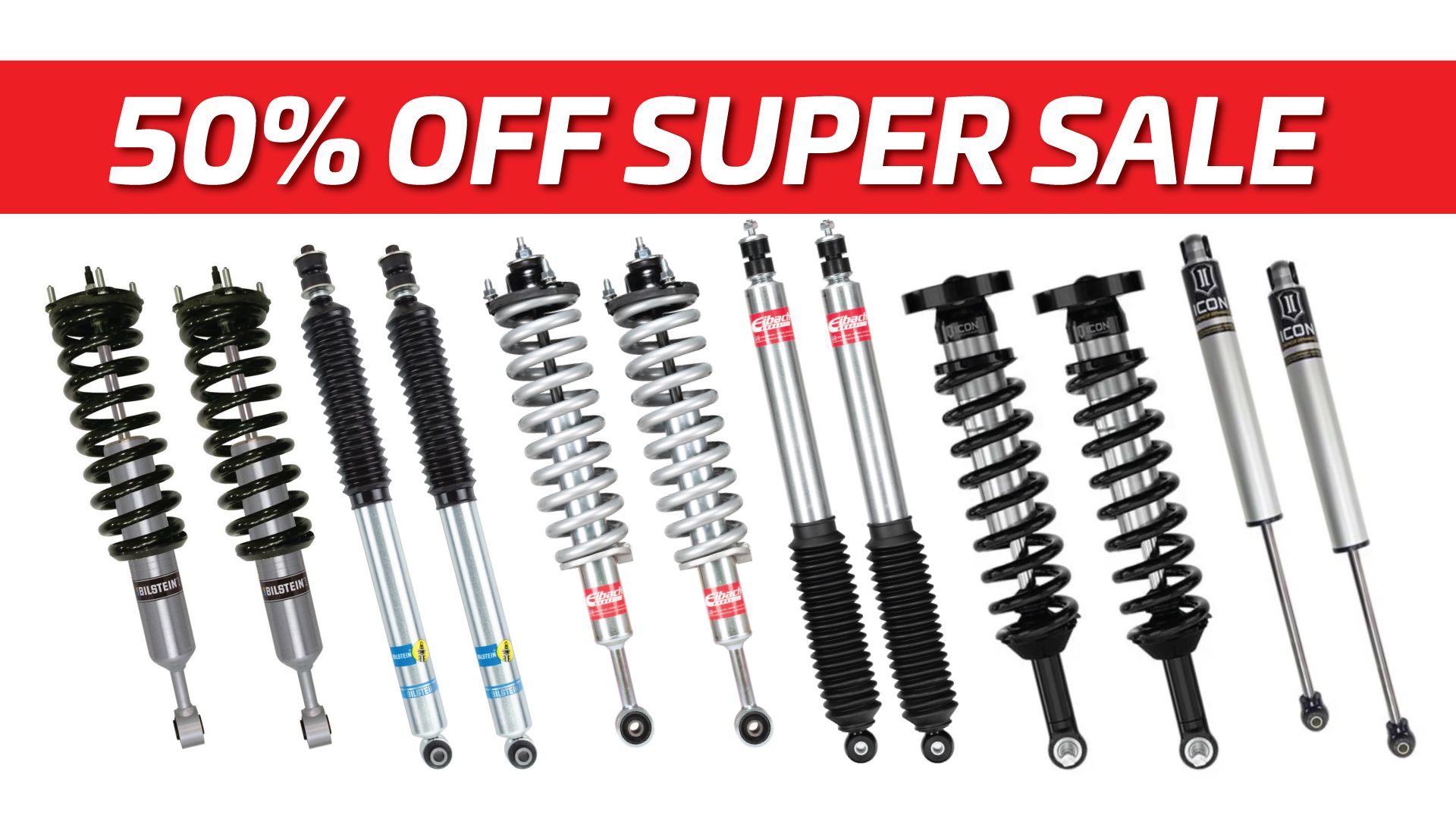
Everyone loves getting a good deal. There is nothing wrong with saving money, especially when you are spending thousands of dollars on a suspension system. The problem is when getting the lowest price becomes more important than getting the right product for your vehicle.
When it comes to off-road suspension, you generally get what you pay for. If a product is priced significantly below the industry standard, there is usually a reason. That does not automatically mean it is a bad product, but it is worth asking why it costs less. Are you getting a simpler design? Different materials? Less tuning capability? Limited support? Or are there compromises in manufacturing, durability, or fitment?
Buying a cheaper product can certainly save you money today, but it may cost you more in the long run. Lower-cost components may wear out sooner, have limited serviceability, or lack the engineering and testing that goes into more premium products. Fitment can also be an issue with poorly designed components, potentially turning what should be a straightforward installation into a frustrating project.

Once you have some recommendations, do your own research. Look up the products, read reviews, search forums, watch installation and trail-use videos, and see what other owners are experiencing. Getting advice from others can be extremely helpful, but remember that not everyone offering suspension advice has the same level of experience. Someone may have extensive experience with one brand or vehicle but very little experience with another. No one is an expert on every shock manufacturer and every suspension platform.
For that reason, take online advice with a grain of salt and consider the source. How long have they been working with suspension? How many vehicles have they tuned or tested? Are they giving you application-specific advice, or simply recommending what they personally run?
Companies with extensive suspension and tuning experience can also be valuable resources during your research. For example, AccuTune Offroad has been tuning shocks since 2001 and has published a large library of technical articles covering suspension tuning, shock design, and comparisons between different products and brands.
This does not mean you need to buy the most expensive shocks or coilovers available. The goal should be finding the best product for your vehicle and your budget, not simply finding the lowest price.
Sometimes the suspension you really want is outside your budget right now. Instead of settling for something you know you will eventually want to replace, consider waiting and saving a little longer. Suspension is something you are likely to live with for a long time, and buying the right setup the first time can be much cheaper than buying twice.
Think of it like buying a mattress. You use your mattress every single day, and most people are willing to spend more for something that is comfortable, well-built, and will last for years. Your vehicle’s suspension is similar. You may drive your vehicle every day, and the suspension affects how it rides and handles every mile you drive. When you take it off-road, it becomes even more important.
So when comparing suspension options, don’t just ask “What’s the best deal?” Ask “What’s the best product for my vehicle, my driving style, and my budget?”
A great deal on the wrong suspension isn’t really a great deal.
3. Going Too Big, Too Long, or Too Complicated
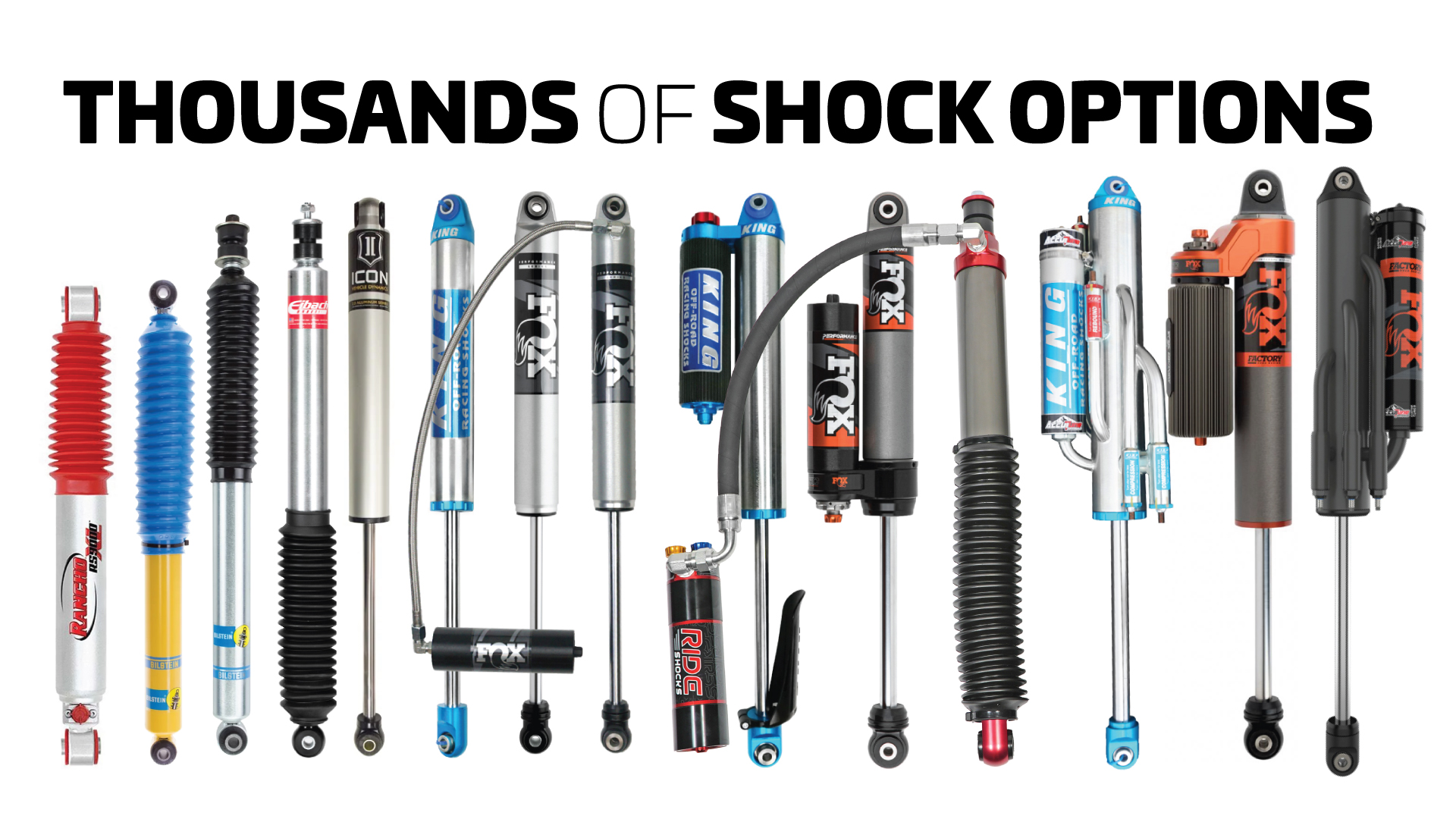
When it comes to off-road suspension, bigger can certainly look better. A massive 3.0-inch bypass shock with tons of travel sounds impressive, but that does not necessarily mean it is the best choice for your vehicle. In fact, choosing a shock that is too large, too long, or overly complicated can actually hurt performance while adding unnecessary cost and complexity.
Unless you have a very specific need and an open budget, you probably don’t need the biggest shock package available. Shock size should be based on the vehicle’s weight, suspension design, intended use, and performance goals. Simply buying the largest shock because it is more capable on paper can result in a suspension system that is unnecessarily stiff and difficult to tune.
More Shock Isn’t Always Better
You’ll commonly see off-road shocks available in 2.0, 2.5, and 3.0-inch body sizes. While larger shocks can provide advantages in certain applications, going bigger does not automatically mean better performance.
For example, a 3.0-inch shock may be an excellent choice for a heavy-duty, high-speed off-road vehicle, but it could be completely unnecessary for a lightly modified vehicle that spends most of its time on the street with occasional trail use. The additional size, oil capacity, and damping capability can come with additional cost and may make it more difficult to achieve the ride quality you are looking for.
Internal bypass shocks are another example. They are extremely capable and can provide excellent performance, but they may be overkill for many vehicles. If you aren’t taking advantage of what the shock is designed to do, you may be better off putting that money toward other upgrades or professional installation and tuning.
The same goes for external bypass shocks. They can be incredible for high-speed off-road applications, but they also introduce additional complexity. Proper fitment and tuning become much more important, and bypass shocks can produce additional noise during operation. They are also position-sensitive, meaning the shock needs to be properly positioned within its intended damping zones at ride height.
This can become particularly important on vehicles used for overlanding or carrying changing amounts of gear. Adding several hundred pounds of camping equipment, water, or other cargo can change the vehicle’s ride height and potentially move the shock into a different portion of its bypass zone. For many overland builds, a properly tuned conventional shock may provide a better combination of performance, simplicity, and consistency.
Don’t Just Buy the Longest Shock Possible
More suspension travel is generally a good thing, but more travel isn’t automatically better either.
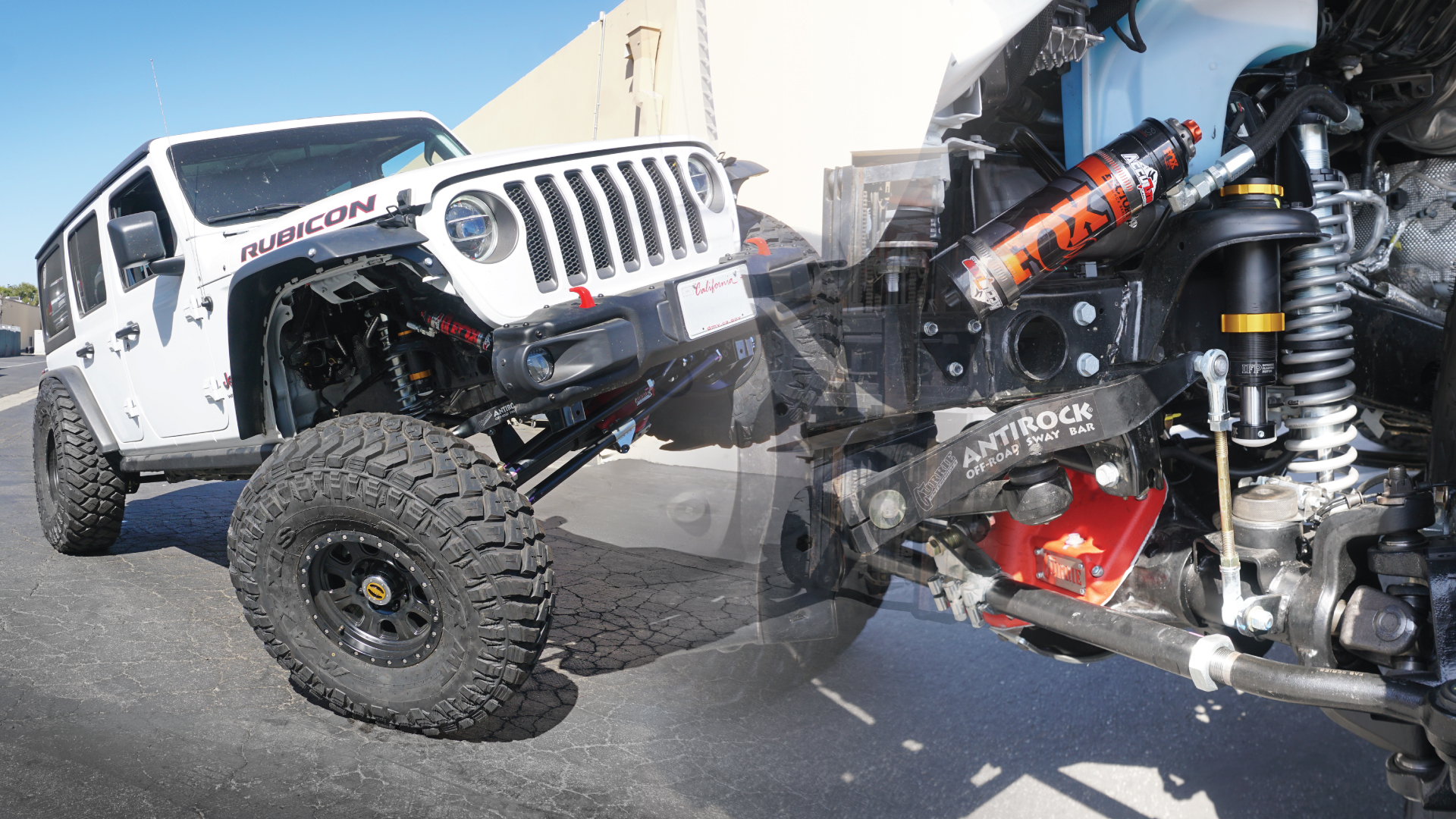
A shock needs to be properly matched to the suspension’s available travel and geometry. Installing the longest shock that physically fits can create problems when the suspension reaches full droop or full compression.
An overly long shock can allow suspension components to travel farther than they were designed to, potentially causing brake lines to become stretched or damaged, driveshaft joints to bind, or other suspension components to contact the frame or each other. The shock itself can also become the limiting component or contact surrounding parts.
The correct shock length should be determined by the suspension’s actual geometry, including compressed length, extended length, bump stop position, and available wheel travel. The goal isn’t simply to get the longest shock possible. The goal is to maximize usable suspension travel without creating new problems.
Long-travel coilovers can also introduce additional challenges on lightweight rock-crawling builds. Finding the appropriate spring rate can become more complicated, and some applications may require multiple spring rates, including a tender spring, to achieve the desired ride height and suspension behavior. That adds both complexity and cost to the overall build.
Before spending extra money on larger, longer, or more complicated shocks, ask yourself whether your vehicle will actually benefit from them.
The best shock isn’t necessarily the biggest shock. It’s the shock that is properly matched to your vehicle, suspension, and how you use it.
4. Assuming “Application-Specific Tuning” Means It Is Tuned for Your Vehicle
“Application-specific tuning” sounds great, but what does it actually mean? This is one of the most important questions to ask when shopping for aftermarket shocks.
Many shock manufacturers advertise their products as having application-specific tuning. That may mean the shock was tested and valved for a particular vehicle platform, but it doesn’t necessarily mean it was tuned specifically for your vehicle.
What vehicle was used to develop that tune? What was its weight? What tire size was it running? What springs, bumpers, winch, armor, or other accessories did it have? How was the vehicle being used?
Your vehicle may have very different specifications.
An off-the-shelf shock tune is essentially a compromise designed to work reasonably well across a broad range of vehicles and configurations. That can be perfectly acceptable for a relatively stock vehicle, but the more modified your vehicle becomes, the more important proper tuning becomes.
For example, adding a heavy front bumper and winch, changing spring rates, installing larger tires, or adding significant cargo can all change how the suspension behaves. A shock that performs well on a lightly modified vehicle may not provide the same results on a heavily accessorized build.
This is where custom tuning can make a significant difference. Working with a company like AccuTune Offroad allows the shock tune to be tailored around your specific vehicle, weight, suspension configuration, and intended use. Whether you’re building a relatively simple daily driver or a heavily modified off-road rig, the goal is to get the damping matched to the vehicle rather than asking the vehicle to adapt to a generic shock tune.
What About Universal-Fit Shocks?
Universal-fit shocks are another area where buyers need to be careful. These shocks are not designed or valved specifically for your vehicle, so they will generally require additional tuning to perform their best.
If you’re building a custom suspension that requires universal-fit shocks, don’t overlook the cost and importance of having them properly tuned. Buying the shock is only part of the equation. The valving needs to match the vehicle.
If you aren’t purchasing directly from a company that specializes in shock tuning, make sure you know who will be able to properly revalve and service the shocks once they are installed. Finding that resource before buying the shocks can save you a lot of headaches later.
Don’t Forget About Coil Springs
Universal-fit coilovers come with another important consideration: spring rate.
The coil springs need to support the actual weight of your vehicle. This is not something you should guess at or simply copy from another vehicle that looks similar to yours. Two vehicles can have the same suspension and accessories but require different spring rates because of differences in weight distribution and overall vehicle weight.
Having the spring rate calculated for your specific vehicle takes the guesswork out of the process and helps ensure you get the correct springs the first time. Companies like AccuTune Offroad can calculate the appropriate spring rates based on your vehicle’s actual configuration, and programs such as their spring swap program can provide additional flexibility if your build changes down the road.
The bottom line is that “application-specific” and “custom-tuned” are not necessarily the same thing. Before buying, find out exactly what the manufacturer means by application-specific tuning and how closely that tune matches your vehicle.
The closer you can get the shocks and springs matched to your actual vehicle, the better chance you have of getting the ride quality and performance you’re looking for.
5. Underestimating High-Performance Shocks: “I Don’t Race Baja”
One of the most common misconceptions when shopping for aftermarket shocks is that high-performance shocks are only necessary for people who race Baja or regularly drive at extreme speeds off-road. If your vehicle is primarily a daily driver with occasional trips to the trail, you might assume that an expensive set of shocks simply isn’t necessary.
That isn’t necessarily the case.
A high-quality shock isn’t only about how fast you can drive through the desert. When properly selected and tuned, a performance shock can provide excellent ride quality and control during everyday driving while still giving you the capability you need when you leave the pavement.
Think about how much time your vehicle actually spends on the road. If it is your daily driver, you may spend 90% or more of your time commuting, running errands, or driving around town. Wouldn’t it be great to have a suspension that provides a smooth, controlled ride on the street while still performing when you hit the trails?
The key is proper tuning. Not every high-performance shock is automatically going to provide a comfortable street ride, and not every shock is designed to deliver the same balance between on-road comfort and off-road performance. This is why doing your research and understanding how a shock is designed and tuned is so important.
You can certainly save money by choosing a less expensive shock if you don’t plan to do extreme off-roading. For some drivers, that may be the right decision. But it’s important to understand what you are giving up. A less capable shock may feel perfectly fine around town but struggle to control the vehicle when you increase your speed, encounter repeated bumps, add weight, or spend more time on rough trails.
Ultimately, it comes down to how much value you place on ride quality and performance. You don’t have to be a racer to benefit from a high-performance shock. The right shock can make your vehicle more comfortable and controlled on your daily commute while giving you significantly more capability when you head off-road.
Before deciding that you don’t need a high-performance shock because you aren’t racing, consider how you want your vehicle to feel every time you drive it.