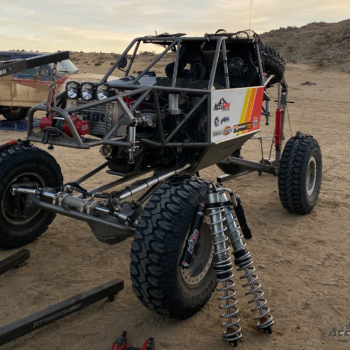
Trying to decide between a mid-travel suspension kit and a long-travel setup? Both can transform the way your truck or SUV performs off-road, but they take different approaches and each comes with its own advantages and trade-offs.
In this article, we’ll break down the basics of mid-travel and long-travel suspension, look at the performance benefits of each, and help you understand which setup may make the most sense for your build. Whether you’re working with a tight budget or building your dream rig, the right suspension can give you more confidence, control, and capability when the pavement ends.
For this article, we’ll focus specifically on mid-travel and long-travel suspension systems for trucks and SUVs with independent front suspension (IFS).
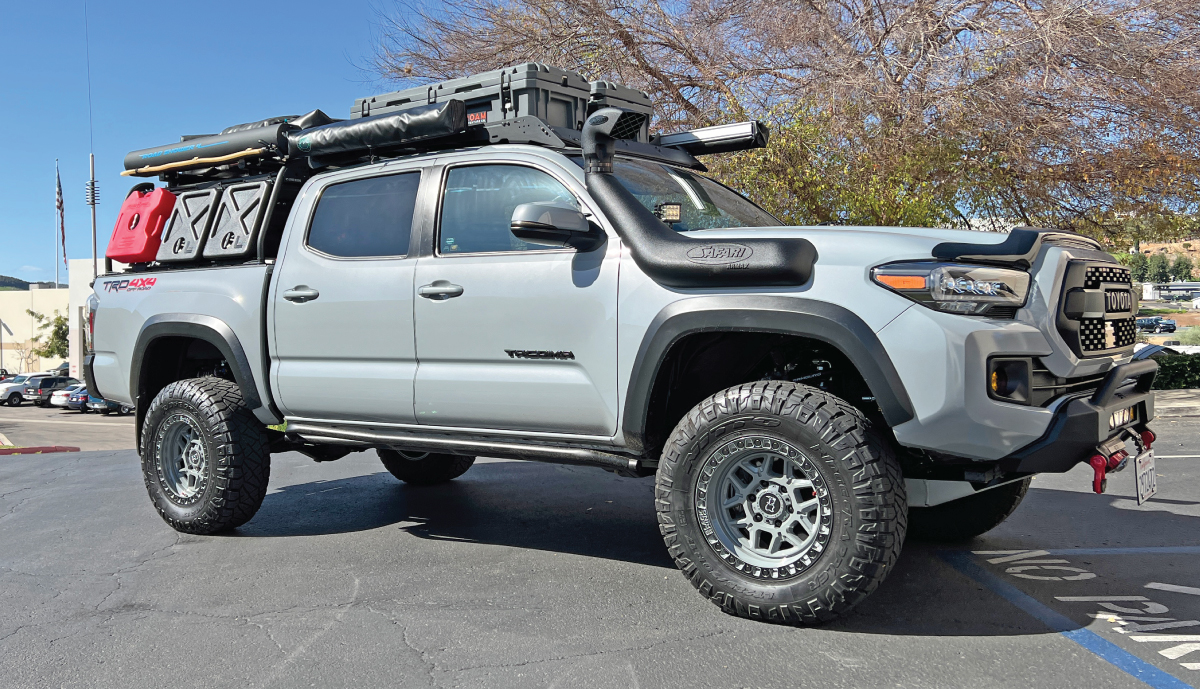
What Is Mid Travel Suspension?
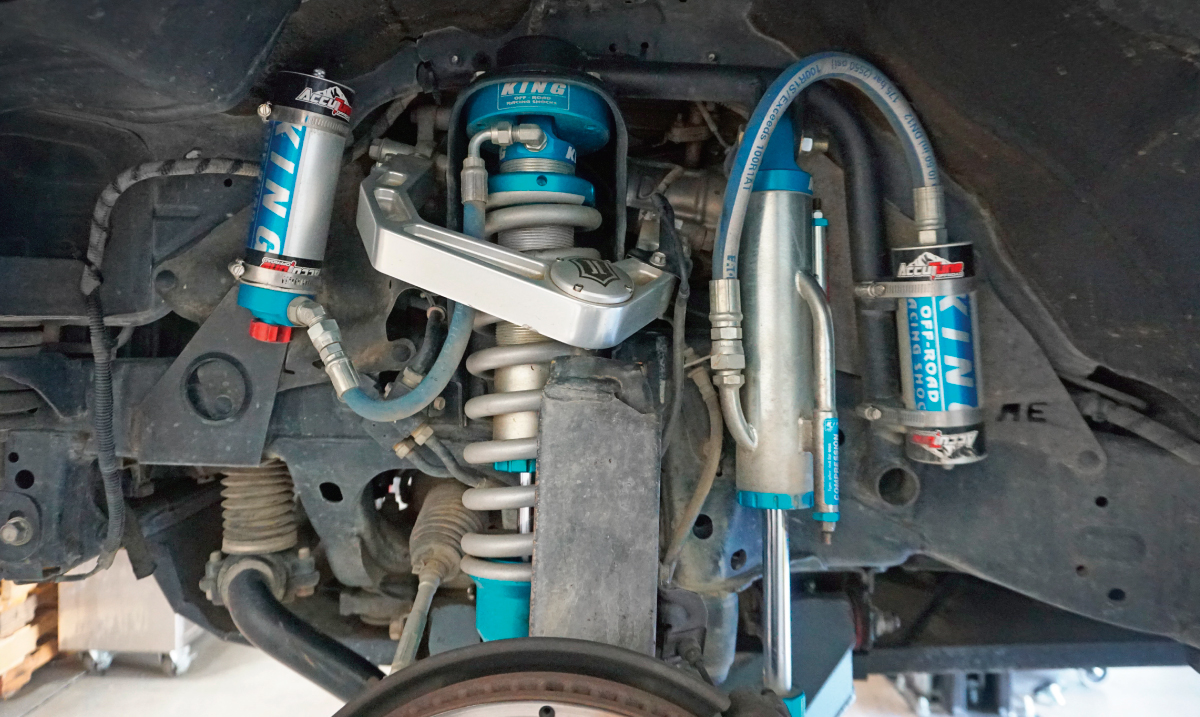
Mid travel suspension is a term used to describe an upgraded aftermarket suspension system that provides more travel than the factory suspension while improving overall performance. Many enthusiasts choose mid travel suspension systems with shocks from popular brands like Fox Shocks, King Shocks, Ride Shocks, Bilstein Shocks, and others.
One of the biggest advantages of a mid travel suspension system is that most components bolt directly to the factory mounting points. In most cases, installation does not require cutting, welding, or fabrication. This makes mid travel suspension a popular choice for enthusiasts who want improved performance without committing to a major suspension build. Many kits can be installed over a weekend with basic hand tools.
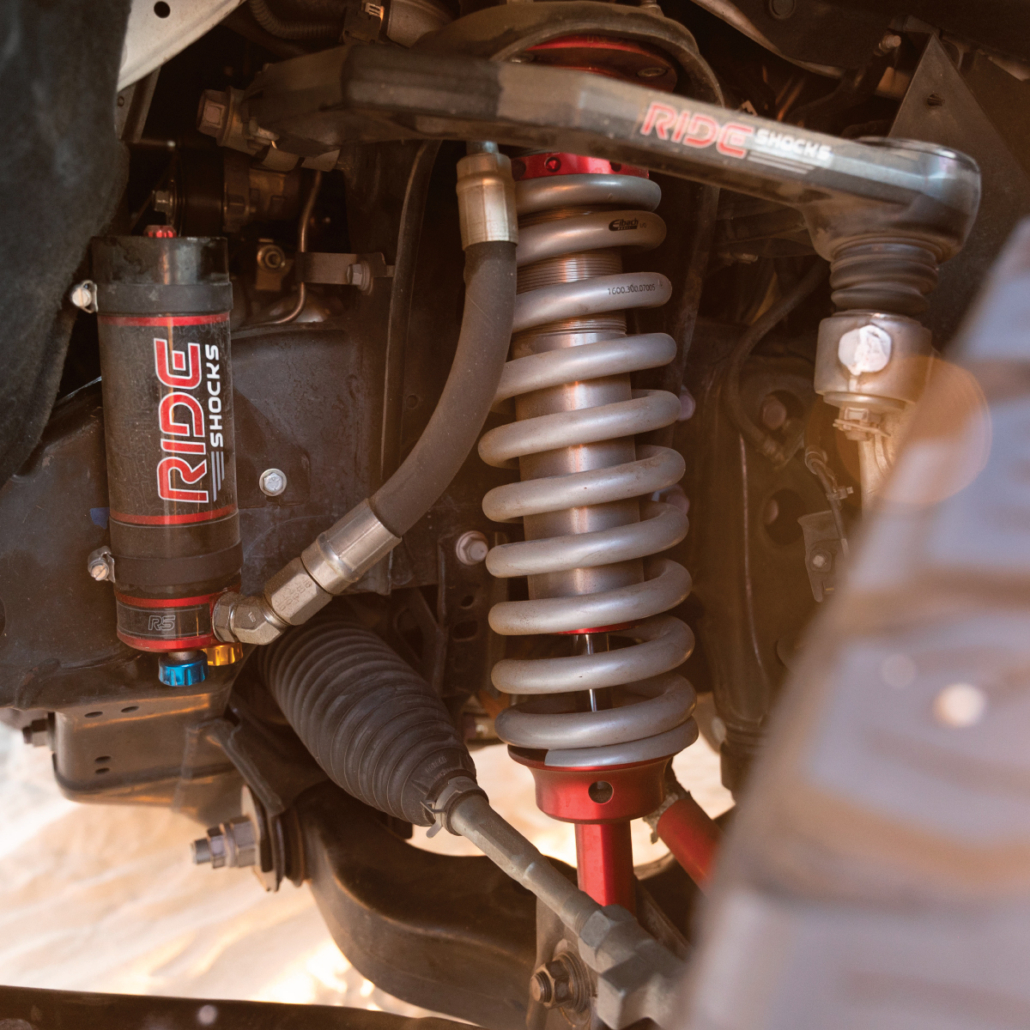
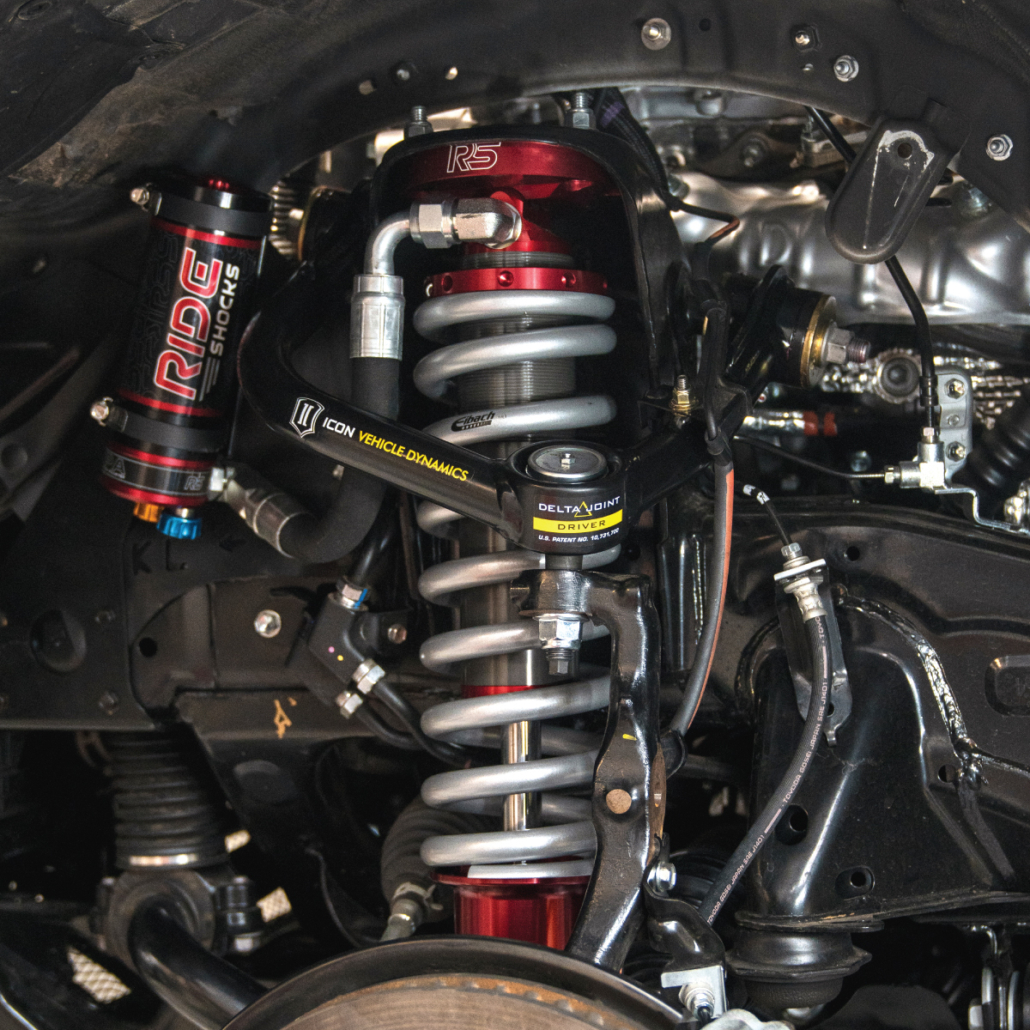
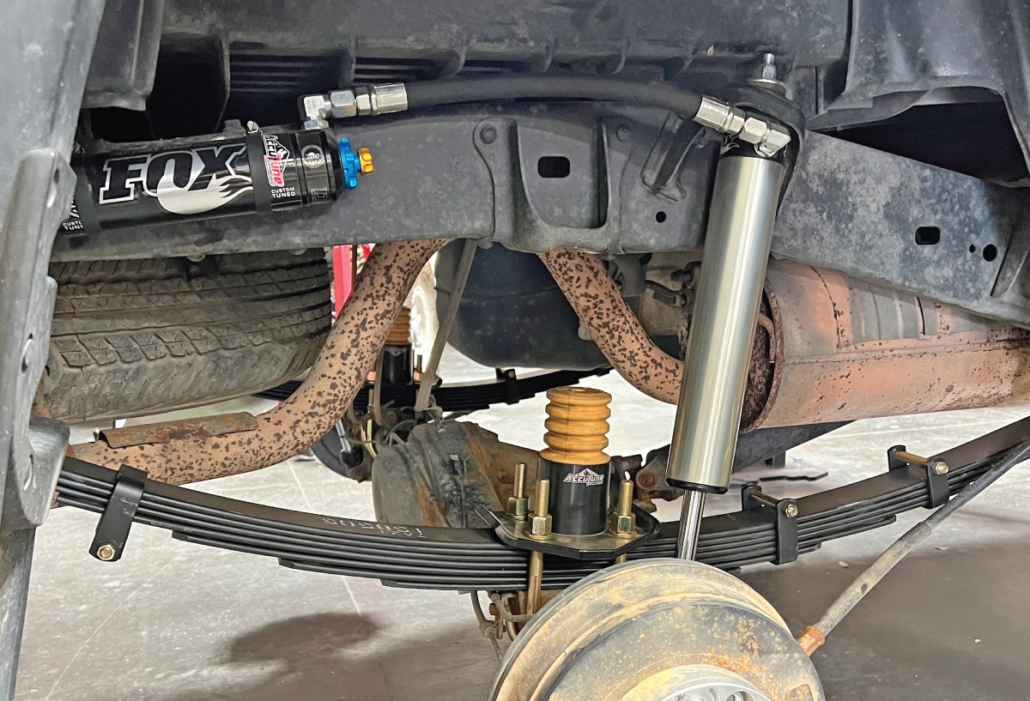
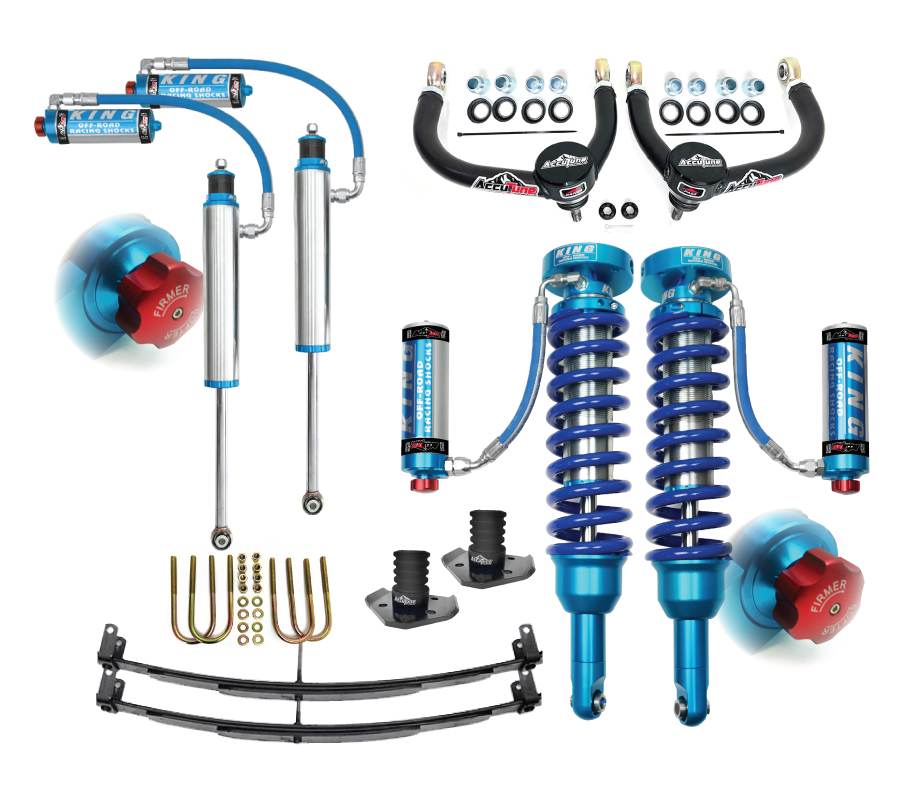
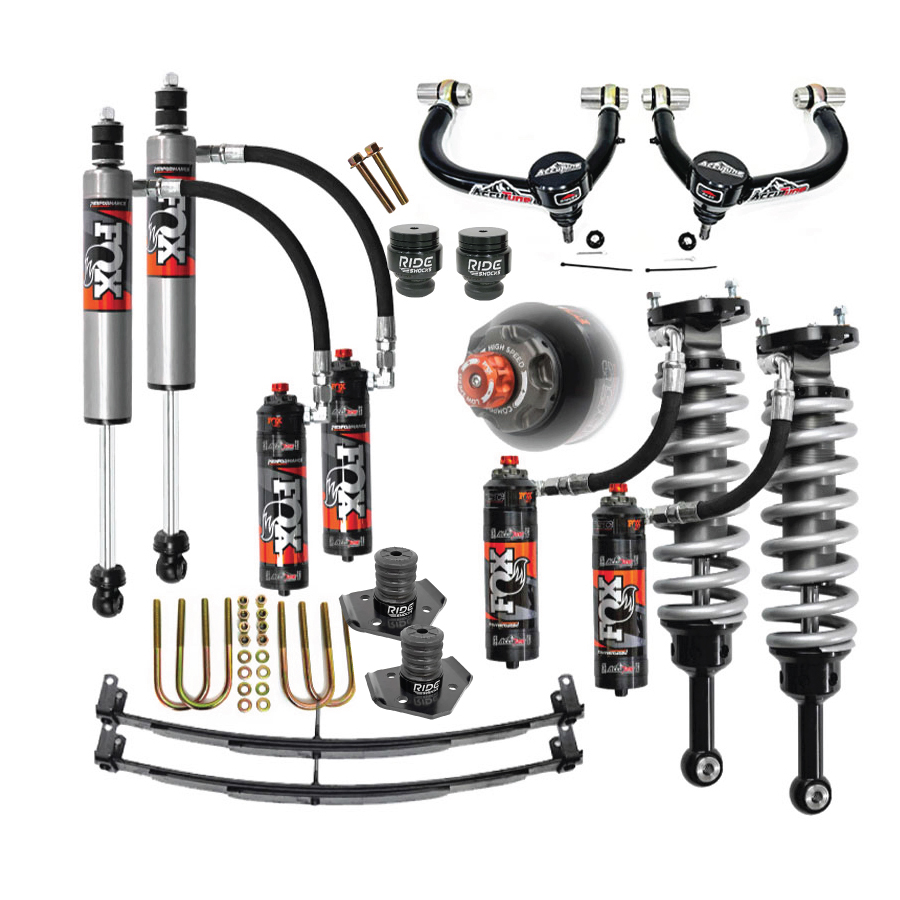
What Does a Mid Travel Suspension System Include?
Depending on your goals and budget, a mid travel suspension system can be as simple as upgraded shocks and aftermarket upper control arms. Upper control arms can help provide the additional alignment adjustment needed after lifting the vehicle. This type of setup is popular for drivers who want to increase ride height and fit larger off road tires while maintaining a practical vehicle for everyday driving. Not everyone uses their truck or SUV for aggressive off road driving, so a basic mid travel setup can provide a noticeable improvement in capability without going overboard.
Upgrade Your Suspension Over Time
One of the biggest benefits of a mid travel suspension system is that you do not have to upgrade everything at once. You can build your suspension in stages as your budget and goals change.
For example, a vehicle with rear leaf springs could initially use lift blocks or an add a leaf to achieve the desired ride height. Later, you can replace those components with a properly designed aftermarket leaf spring when the time and budget allow.
The same approach can be used with the front suspension. You might start with a more affordable front coilover and eventually upgrade to a larger, higher performance coilover when you are ready.
There are also several smaller suspension components that can be upgraded over time. Front bump stops, rear bump stops, U bolt flip kits, and other supporting components can all be added as you continue building your vehicle.
What Are the Benefits of Mid Travel Shocks?
Upgrading to aftermarket shocks can provide additional shock travel and improved damping performance. More shock travel can allow the suspension to cycle farther, which can be especially beneficial when driving off road. Larger aftermarket shocks can also provide increased oil capacity. More oil helps manage heat during demanding driving conditions, which can improve shock performance during extended high speed off road use.
Mid travel shocks are available at a wide range of price points. Some options are relatively affordable and provide a significant improvement over factory shocks, while high performance options can be considerably more expensive. The right choice ultimately depends on your budget, vehicle weight, driving style, and performance goals.
Shock Size and Travel Limitations
Aftermarket shocks are available in a variety of sizes and configurations, but the amount of travel you can use is ultimately limited by the vehicle’s suspension design.
It is important to install shocks specifically designed for your vehicle and suspension setup. Installing a shock that is too long or otherwise incompatible with the suspension can cause damage to suspension components, limit suspension movement, or create unsafe operating conditions.
For example, here is a comparison of total shock travel for several front coilover options designed for the 2005 to 2023 Toyota Tacoma:
| Shock | Total Shock Travel |
| Fox 2.5 Coilover | PN: FOX-883-06-178 | 5.23 inches |
| King 2.5 Coilover | PN: KRS-25001-119A-EXT | 5.30 inches |
| Ride 2.5 Coilover | PN: 525412389 | 6.00 inches |
| Factory Tacoma Shock | 4.17 inches |
These numbers demonstrate that aftermarket shocks can provide more travel than the factory components. However, more shock travel does not automatically mean the vehicle will gain the same amount of wheel travel
Shock Travel vs. Suspension Travel
Shock travel and suspension travel are two different measurements, and understanding the difference is important when comparing suspension systems.
Shock travel is simply the amount of movement available within the shock itself. This is a straightforward measurement from the fully compressed position to the fully extended position.
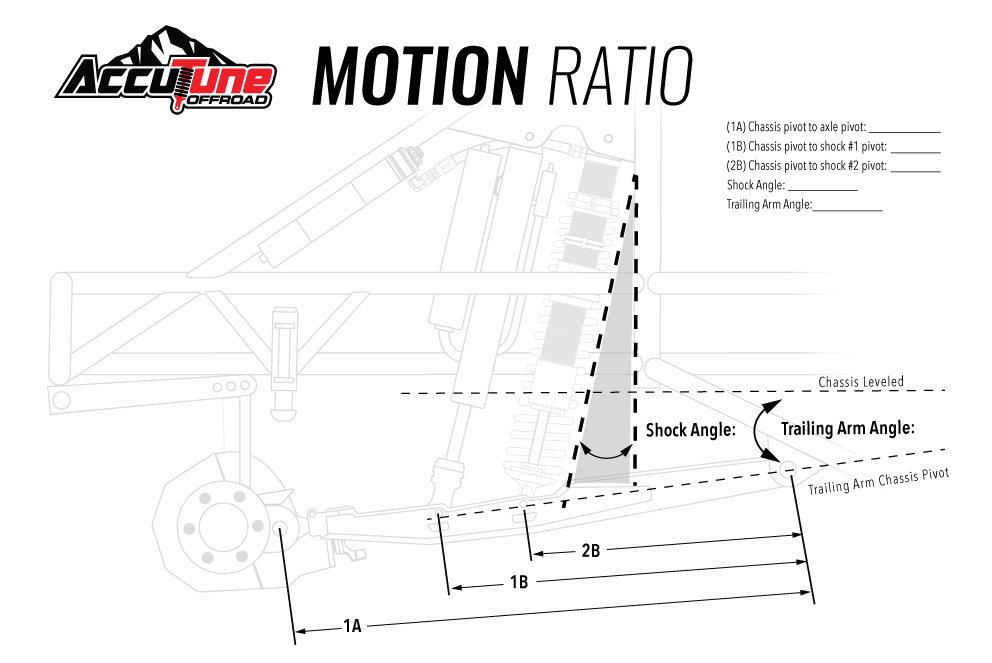
Suspension travel or wheel travel describes how far the vehicle’s wheel can move through its suspension cycle. Determining wheel travel is more complicated because it depends on the suspension geometry and motion ratio.
On an independent front suspension system, the shock is typically mounted to the lower control arm rather than directly at the wheel. Because of this, the shock does not move at a one to one ratio with the wheel.
For example, if a suspension has a motion ratio of approximately 2 to 1, the wheel may move roughly twice as far as the shock. This means a shock with 6 inches of travel could potentially provide around 12 inches of wheel travel, depending on the specific suspension geometry.
This is a simplified example, since actual wheel travel depends on the vehicle’s suspension design, shock mounting location, control arm geometry, and available clearance.
The key takeaway is that shock travel and wheel travel are not the same thing. When comparing suspension systems, it is important to understand both measurements and how the shock works with the vehicle’s suspension geometry.
For many truck and SUV owners, mid travel suspension provides an excellent balance between improved off road performance, increased suspension travel, ease of installation, and overall cost. It can also serve as a foundation that allows you to continue upgrading your vehicle as your driving needs and budget evolve.
What Is Long Travel Suspension?
Long travel suspension is the next step beyond a mid travel suspension system. While a mid travel setup provides more suspension travel and improved performance over stock, a long travel system is designed to dramatically increase wheel travel, improve suspension geometry, and provide significantly greater off road capability.
Long travel suspension systems are much more involved than typical bolt on suspension upgrades. Depending on the kit, installation can require a combination of bolt on components and welding. Because of the additional fabrication and complexity, long travel suspension is generally not considered a DIY friendly upgrade unless you have the proper tools, equipment, and fabrication experience.
What Does a Long Travel Suspension System Include?
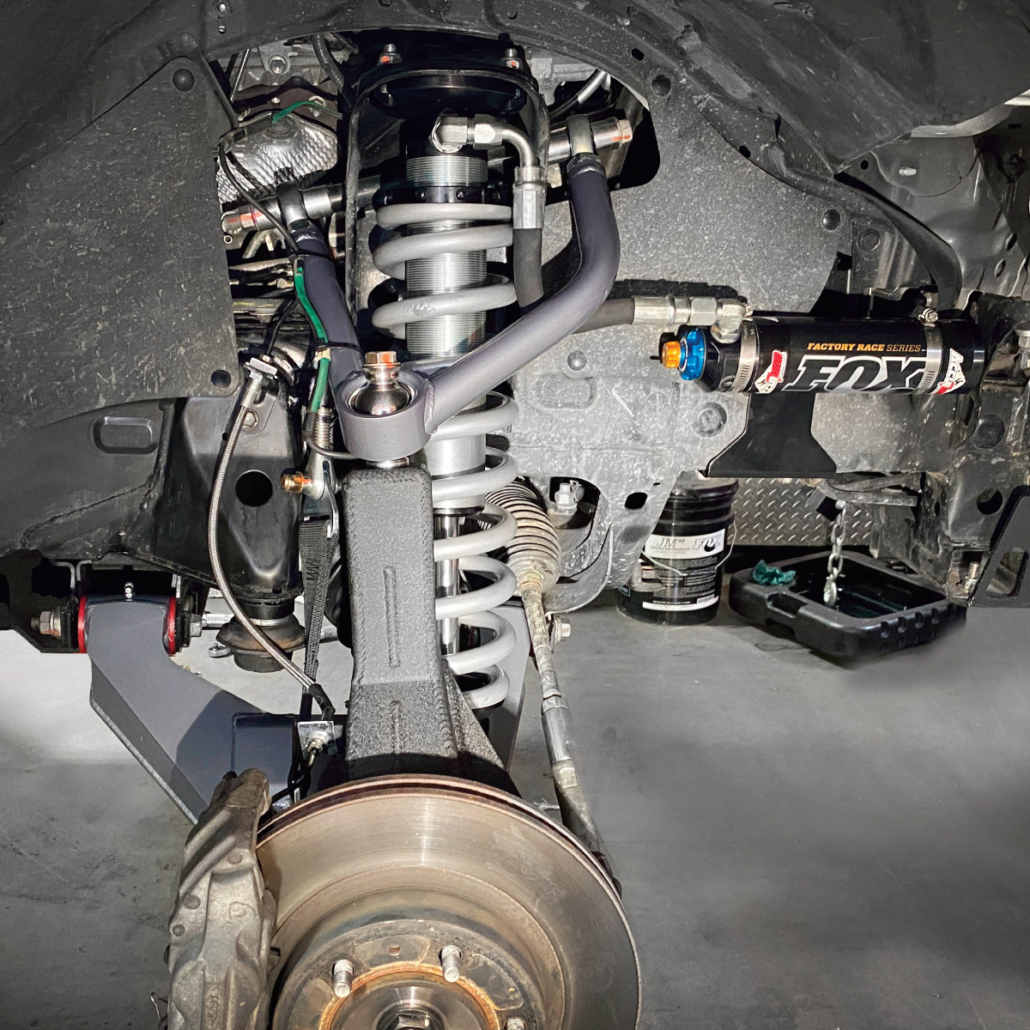
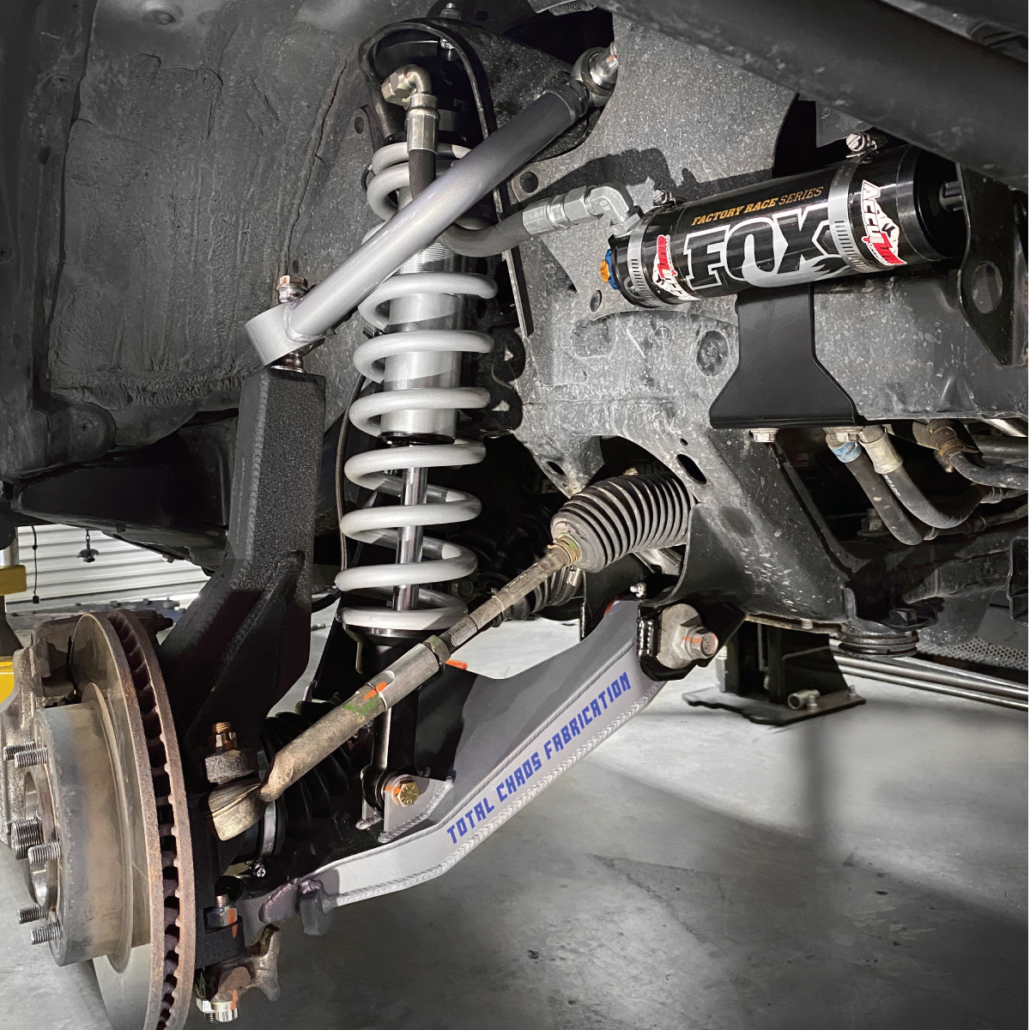
A typical long travel front suspension system replaces the factory upper and lower control arms with longer arms that increase the overall track width of the vehicle. The wider suspension allows the wheels to move farther through their travel while maintaining better suspension geometry.
Longer control arms also require additional supporting components. Four wheel drive vehicles will typically need longer axle shafts, while tie rod extensions or longer tie rods are required to accommodate the increased track width.
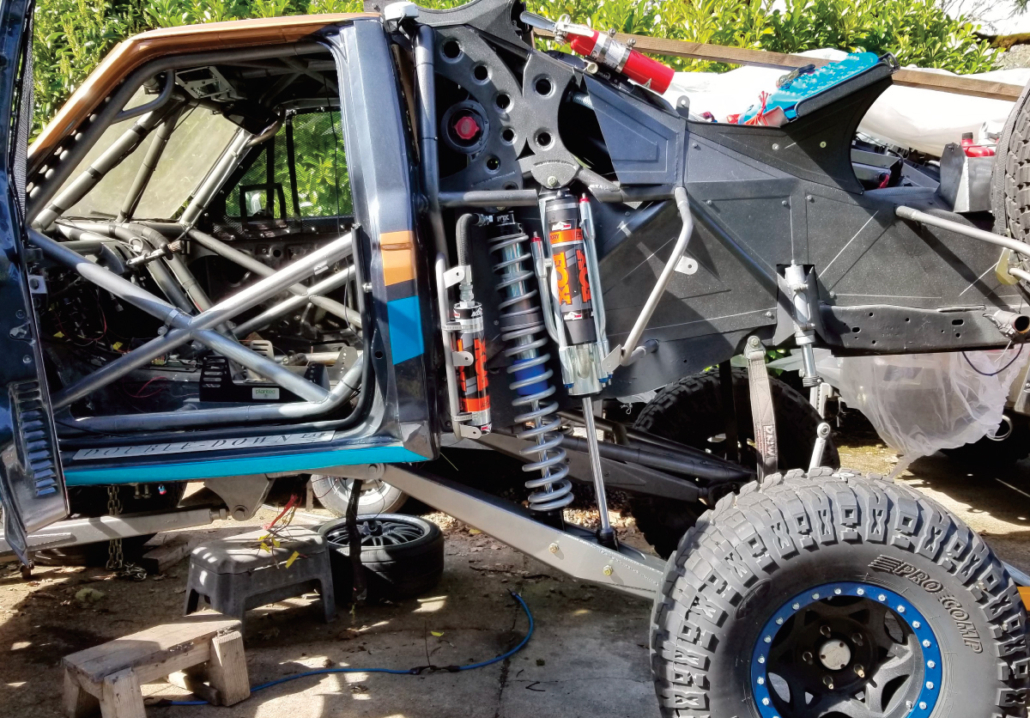
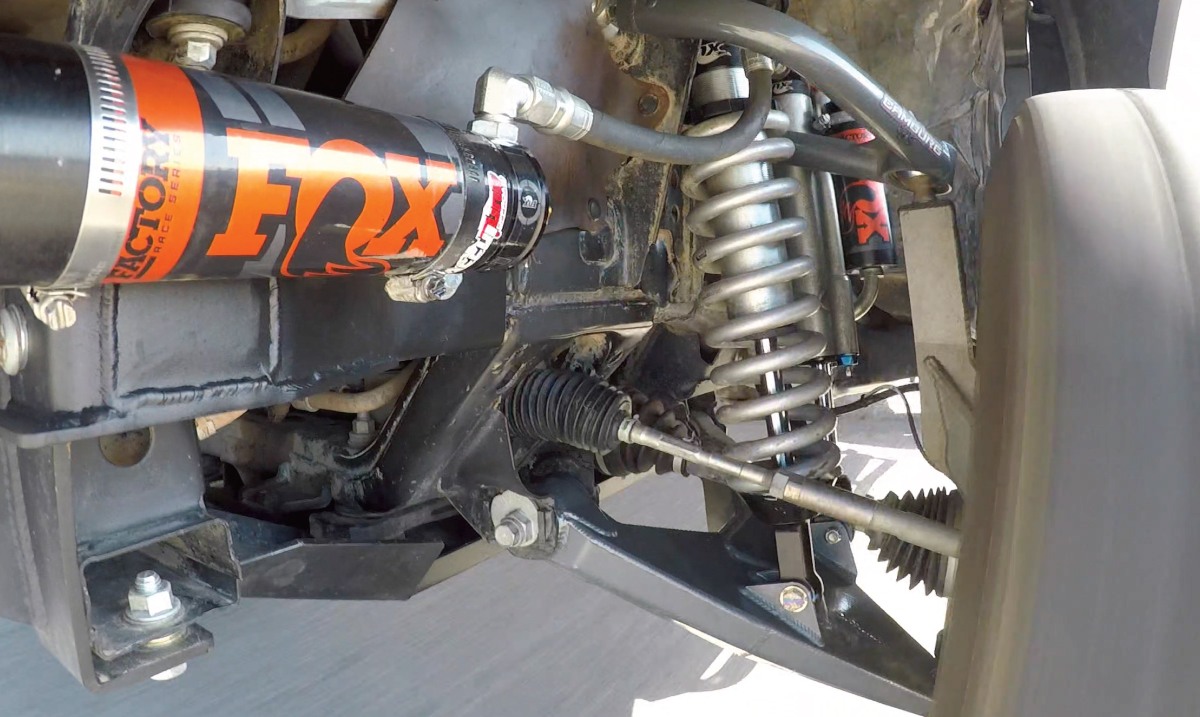
Long travel front suspension systems also commonly use a secondary shock mounting structure, such as a shock hoop, to provide space for additional shocks. Depending on the kit and performance goals, the front suspension may use a coilover combined with a bypass shock. This combination provides both spring support and additional damping control.
Shock options can be somewhat limited on the front of a long travel system because of available space and suspension geometry. A coilover and bypass combination is a popular setup because it provides excellent performance without requiring an excessive amount of space.
Air bump stops can also be added to the front suspension for additional bottom out control. Installing air bumps typically requires welding mounting brackets to the frame and suspension components.
Long Travel Suspension and Tire Fitment
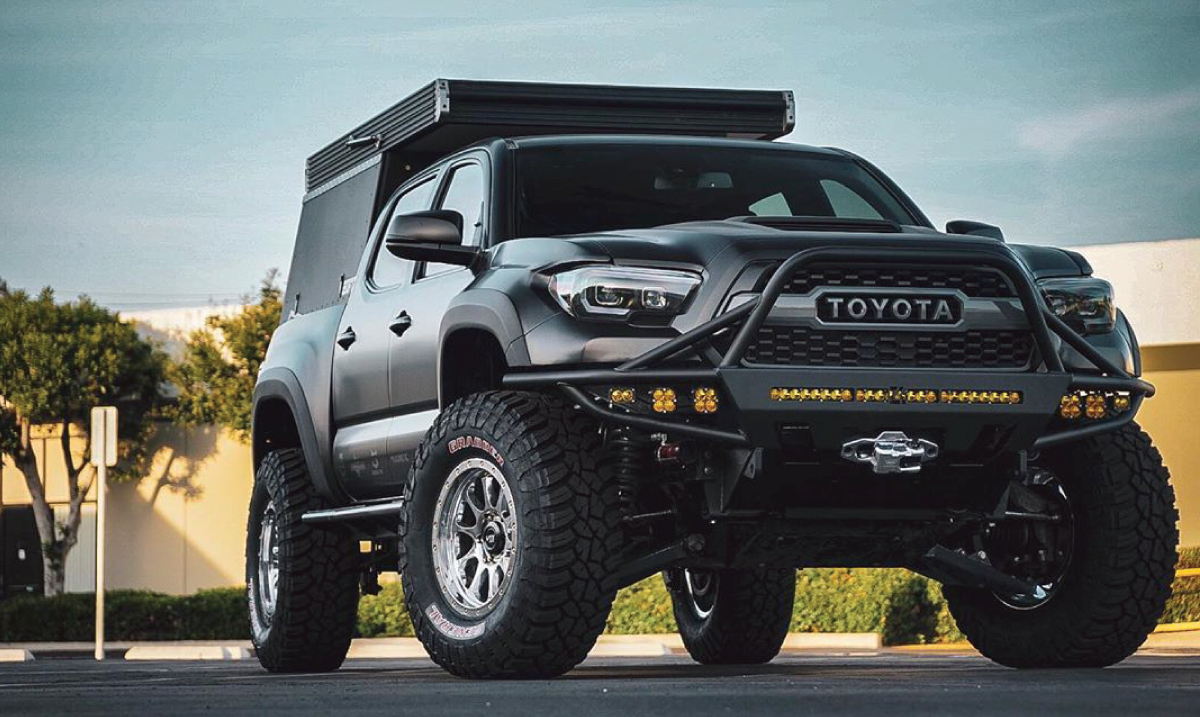
Because long travel suspension increases the track width of the vehicle, tire and fender clearance can become an important consideration.
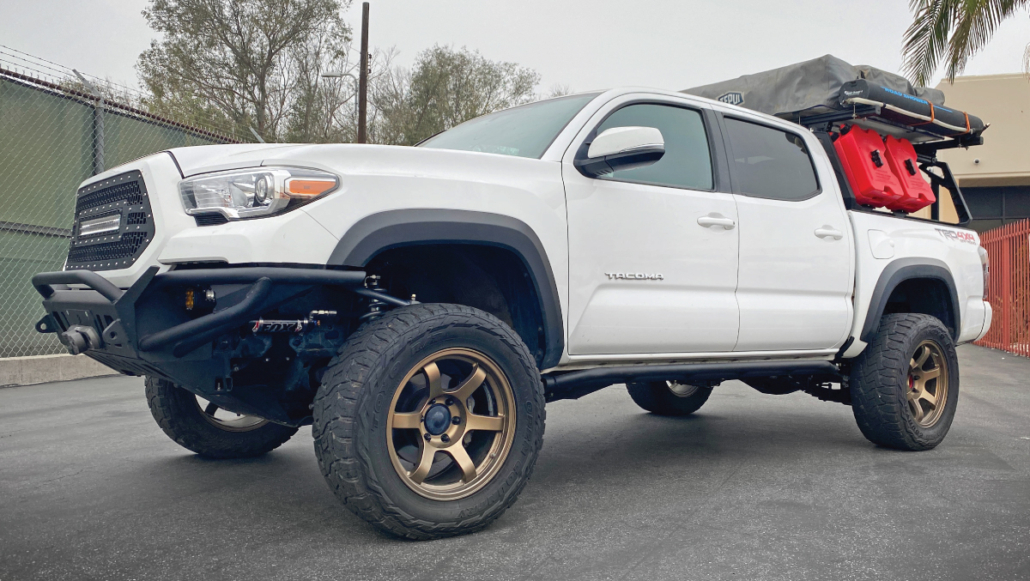
The additional width and increased suspension travel can make it difficult to retain the factory fenders, especially when running larger off road tires. Many long travel builds use wider fiberglass fenders to provide the additional clearance needed for larger tires and increased wheel travel.
This is one of the reasons long travel suspension should be considered as a complete vehicle build rather than simply another suspension upgrade. Tire size, wheel offset, fender clearance, axle length, steering components, and suspension travel all need to work together.
What Does a Long Travel Rear Suspension Include?
Long travel rear suspension systems vary significantly depending on the vehicle and the type of rear suspension.
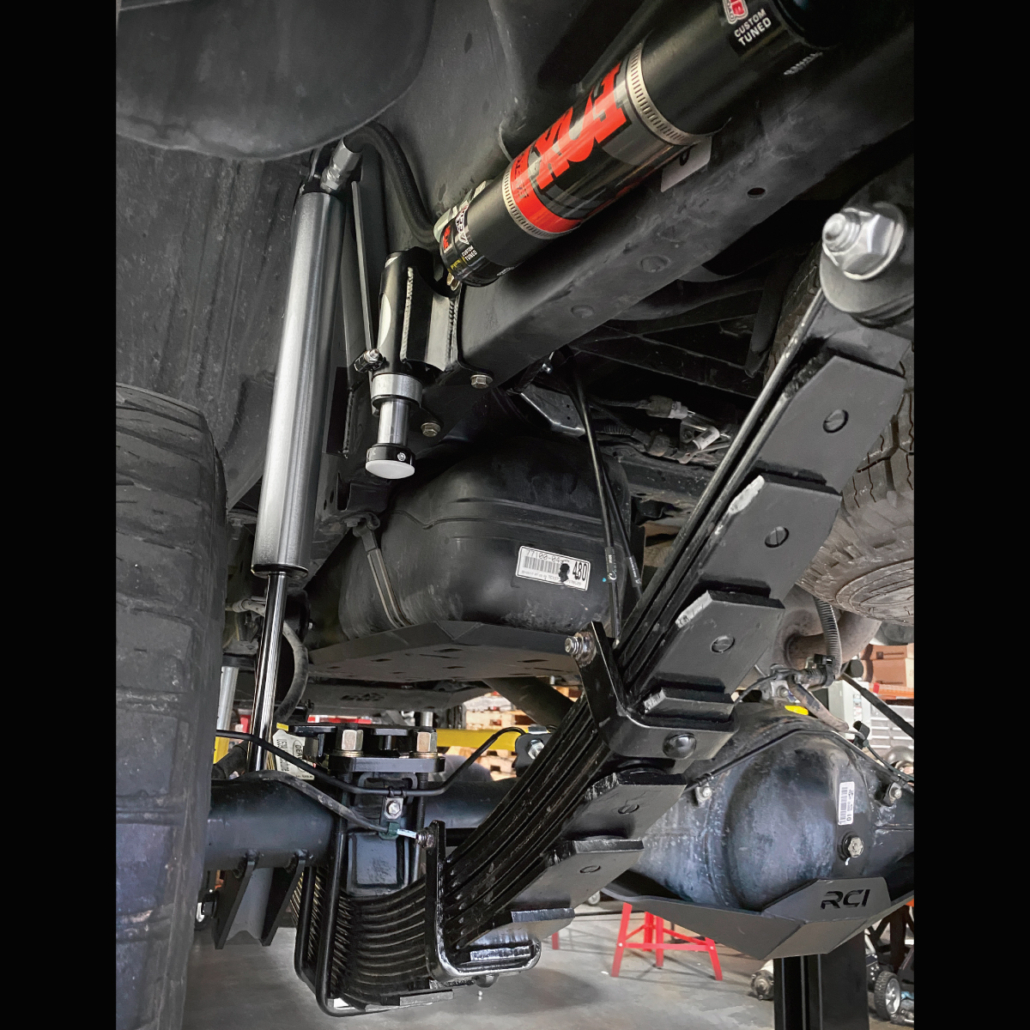
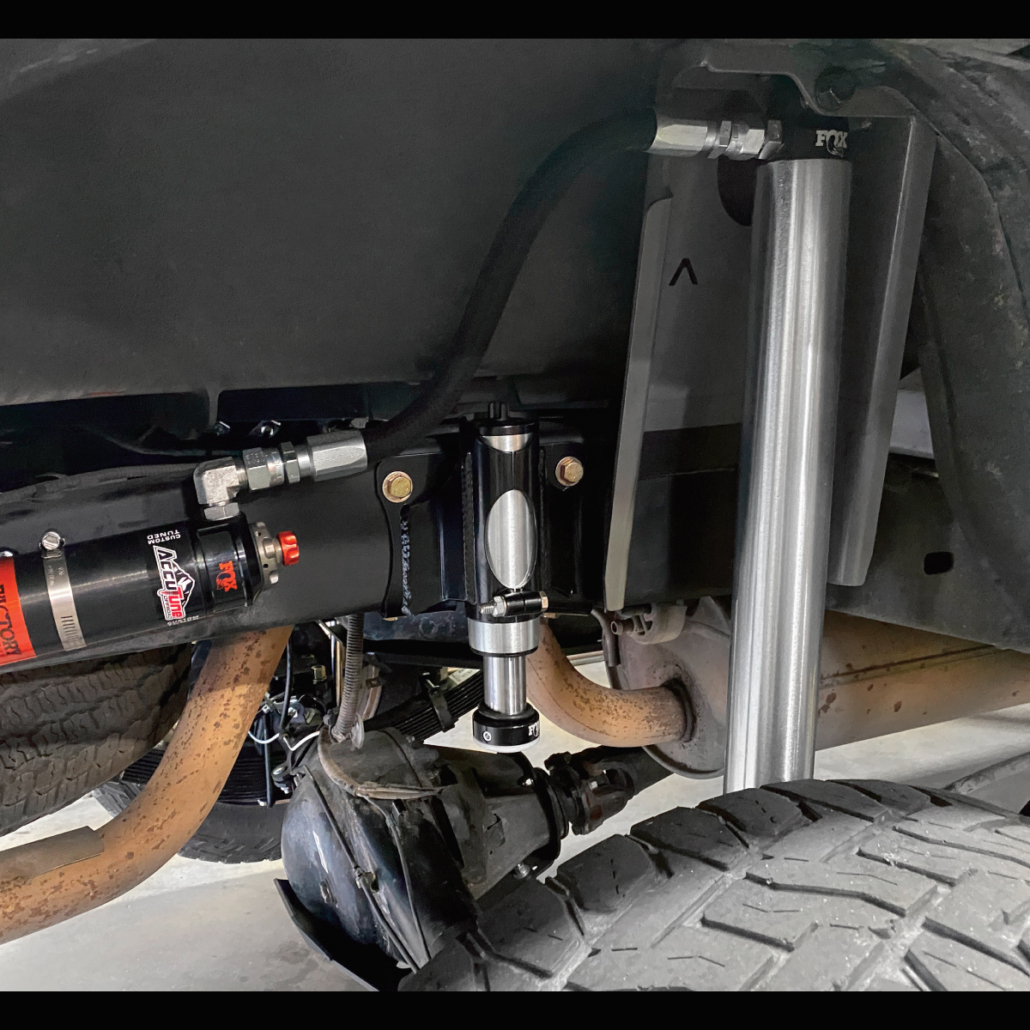
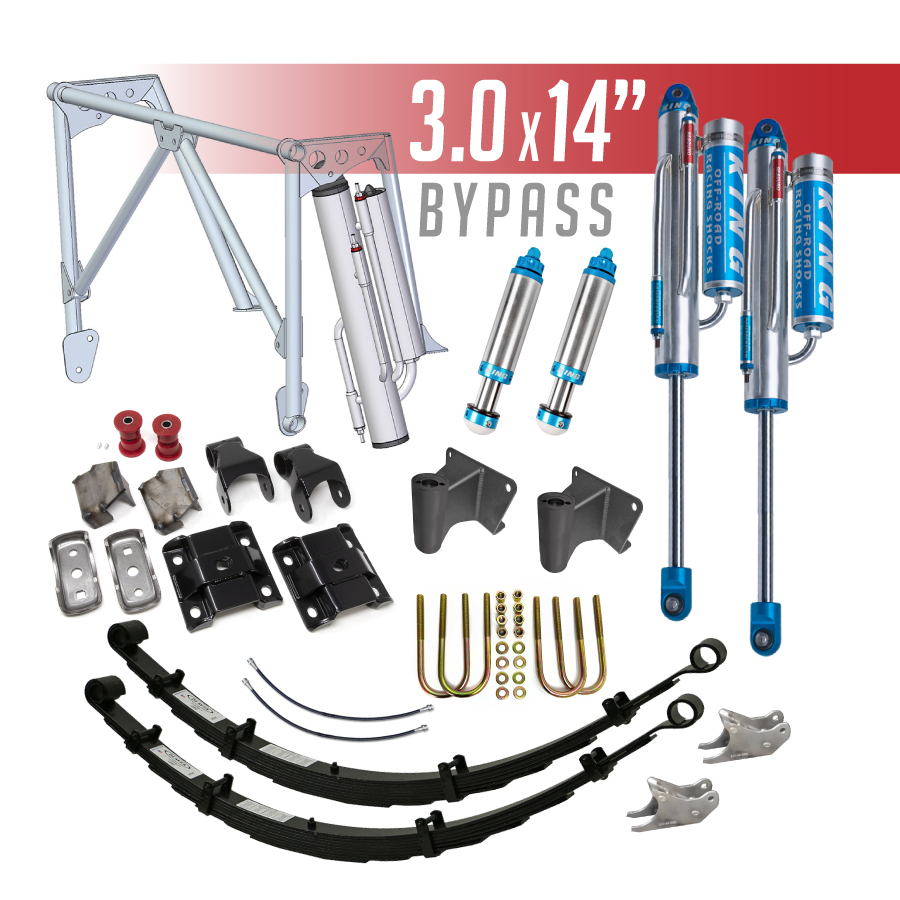
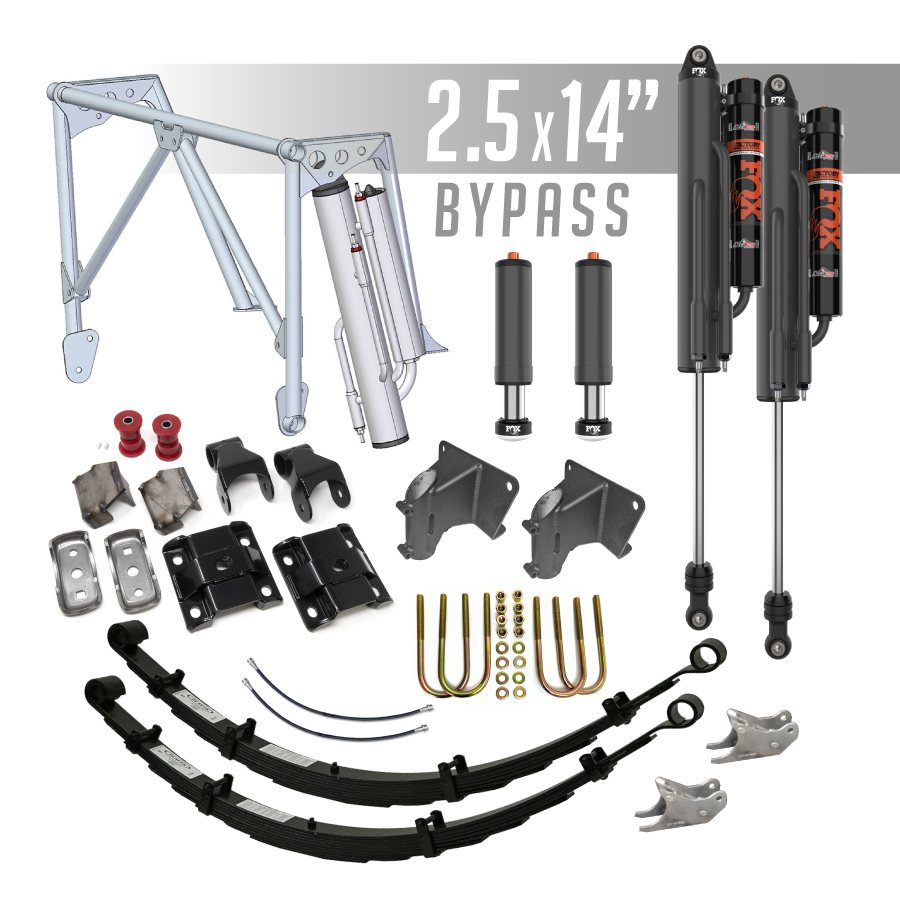
For vehicles with rear leaf springs, a long travel setup may include longer travel leaf springs, longer shackles, upgraded shocks, and additional shock mounting components. Longer shocks often require shock hoops or a bed cage to provide the necessary mounting location and clearance.
Depending on the suspension design and intended use, limit straps may also be used to control maximum suspension droop and prevent components from being damaged when the suspension reaches full extension.
Rear shock options can also vary depending on the goals of the build. Smooth body shocks can provide excellent performance while keeping the setup relatively simple, while bypass shocks offer additional tuning capability for more aggressive off road applications.
Air bump stops are also commonly used in the rear of high performance long travel systems. They provide additional bottom out control and can help the suspension handle large impacts without relying entirely on the shock or leaf spring.
Long Travel Shock Travel
Long travel suspension uses significantly longer shocks than a typical factory or mid travel setup. The additional shock travel allows the suspension to cycle farther and is one of the key components that makes a long travel system capable of achieving significantly more wheel travel.
For example, here are two common 2.5 inch long travel coilover options for a 2005 to 2023 Toyota Tacoma:
| Long Travel Coilover | Total Shock Travel |
| Fox 2.5 Long Travel Coilover | 7.70 inches |
| King 2.5 Long Travel Coilover | 7.57 inches |
These numbers represent shock travel, not total wheel travel. As discussed in the mid travel section, shock travel and wheel travel are different measurements because suspension geometry and motion ratio determine how much the wheel moves in relation to the shock.
This is an important distinction when comparing long travel suspension systems. A longer shock does not automatically provide the same amount of additional wheel travel. The control arm geometry, shock mounting location, available clearance, and overall suspension design all determine how much travel the vehicle can actually use.
Long Travel Suspension Is a Complete Build
Unlike a mid travel suspension system, long travel suspension is generally not something you build one small upgrade at a time.
A long travel system requires several components to work together, including control arms, shocks, axle shafts, steering components, bump stops, limit straps, wheels, tires, and fenders. Because of this, it is usually best to plan the entire build before purchasing individual components.
Trying to build a long travel system in stages can result in purchasing parts that need to be replaced later as the suspension is upgraded. Long travel is one of those projects where it often makes more sense to plan the system carefully and do it right the first time.
Long Travel Shock Tuning
Proper shock tuning becomes especially important on a long travel suspension system. The increased wheel travel, different suspension geometry, and higher speeds associated with aggressive off road driving require the shocks to be properly matched to the vehicle.
This is particularly important when using a coilover and bypass shock combination. The coilover and bypass shock need to work together throughout the suspension’s travel to provide proper spring support, damping, and bottom out control.
Custom shock tuning can help maximize the performance of the entire suspension system. Rather than simply choosing a shock based on its size, the valving should be matched to the vehicle’s weight, suspension design, spring rate, intended use, and driving style.
Long Travel Suspension Cost
Long travel suspension is a significant investment compared to a typical mid travel system. The additional components, fabrication, shocks, and supporting upgrades all contribute to the higher cost.
Typical pricing can vary depending on the vehicle and components selected, but a general range is:
| Long Travel Upgrade | Typical Price Range |
| Front Long Travel Kit | $5,600 to $9,300 |
| Rear Long Travel Kit | $5,300 to $9,000 |
| Complete Front and Rear Build | $11,000 to $18,000 |
These prices can increase further depending on shock selection, bypass shocks, air bumps, fiberglass fenders, axle upgrades, wheels, tires, fabrication, and other supporting components.
Long Travel Suspension Brands
There are fewer companies producing complete long travel suspension systems compared to the number of companies offering mid travel components. Long travel suspension requires significantly more engineering, testing, and vehicle specific development.
Total Chaos and Camburg are two well known manufacturers that have been developing long travel suspension systems for many years.
When choosing a long travel system, it is important to consider not only the suspension components themselves but also the company’s experience developing and testing long travel systems for your specific vehicle.
Long travel suspension can provide a dramatic improvement in off road performance, but it is a much larger commitment than a mid travel system. The increased wheel travel, wider track width, additional shock capacity, and supporting components can transform the way a vehicle performs off road. However, the increased complexity and cost mean that long travel suspension should be approached as a complete suspension build rather than a simple bolt on upgrade.
Mid Travel vs. Long Travel Suspension: Which Is Right for You?
Choosing between mid travel and long travel suspension ultimately comes down to how you use your vehicle, how much performance you need, and how much you are willing to invest in the build.
For most truck and SUV owners, mid travel suspension offers the best balance of performance, cost, and practicality. A mid travel system can provide increased suspension travel, better damping, improved ride quality, additional ground clearance, and the ability to fit larger tires without requiring major fabrication. Most components bolt directly to the factory mounting locations, making installation much easier and allowing you to upgrade your vehicle over time.
Mid travel is a great choice for a daily driven vehicle that also sees trails, camping trips, overlanding, and recreational off road driving. It can also be a good starting point if you want to improve your suspension without completely changing the vehicle.
Long travel suspension is better suited for drivers who want maximum off road performance and are willing to make a much larger investment. Long travel systems provide substantially more wheel travel and allow the suspension to work at higher speeds and over larger obstacles. However, that additional performance comes with increased cost, complexity, fabrication, wider track width, and additional supporting modifications.
Long travel is generally a better fit for someone who regularly drives aggressively off road and wants to build a vehicle specifically around high performance trail use. It is not simply a larger version of a mid travel kit. A long travel build often requires control arms, axle upgrades, shock hoops, bypass shocks, bump stops, limit straps, fiberglass fenders, and other supporting components.
So Which One Should You Choose?
If your vehicle is primarily a daily driver, overland vehicle, camping rig, or recreational trail truck, mid travel suspension will likely provide everything you need. You can improve the suspension significantly while keeping the vehicle practical, reliable, and relatively easy to maintain.
If your vehicle is being built for high speed off road driving, desert racing, aggressive trail use, or maximum suspension performance, long travel may be worth the additional investment and complexity.
The important thing is to choose a suspension system based on your actual driving needs rather than simply choosing the setup with the most travel. More travel does not automatically mean a better vehicle for every driver. A properly tuned mid travel system can outperform an improperly designed long travel setup for the way many people actually use their vehicles.
Think about where you drive, how aggressively you drive, how much fabrication you are willing to do, and how much you want to invest. For many enthusiasts, mid travel is the sweet spot. For those looking to push their vehicle much harder and maximize off road performance, long travel can take the build to the next level.
Frequently Asked Questions
1. What is the difference between mid travel and long travel suspension?
Mid travel suspension provides more travel and better performance than stock while typically using bolt on components that work with the factory mounting locations. Long travel suspension goes much further by using longer control arms and additional components to substantially increase wheel travel. Long travel systems are also more complex and may require welding, fabrication, wider fenders, longer axle shafts, and additional shock mounting structures.
2. Is long travel suspension better than mid travel suspension?
Long travel suspension can provide significantly more wheel travel and off road performance, but that does not necessarily make it the better choice for every vehicle. Mid travel suspension is often a better option for daily drivers, overland vehicles, camping rigs, and recreational off road vehicles because it provides a good balance of performance, cost, reliability, and ease of installation. Long travel makes more sense for drivers who regularly push their vehicles hard off road and need the additional travel and performance.
3. Can I install a mid travel suspension system myself?
Many mid travel suspension systems can be installed with basic tools and without cutting or welding. Installation difficulty will depend on the specific vehicle and components, but most systems are designed to bolt to existing factory mounting locations. Long travel systems are considerably more involved and may require welding, fabrication, and specialized tools, making professional installation a better option for many builds.
4. Does more shock travel mean more wheel travel?
Not necessarily. Shock travel and wheel travel are two different measurements. The amount of wheel travel depends on the suspension geometry and motion ratio, as well as the shock mounting location. An independent front suspension system can have significantly more wheel travel than shock travel because the shock is mounted to the control arm rather than directly at the wheel. When comparing suspension systems, it is important to look at both shock travel and actual wheel travel.
5. How much does long travel suspension cost compared to mid travel?
Mid travel suspension can range widely in price depending on the shocks, springs, control arms, and other components selected. One of its advantages is that it can be built in stages as your budget allows. Long travel suspension is a much larger investment, with typical front kits ranging from approximately $5,600 to $9,300 and rear kits ranging from approximately $5,300 to $9,000. A complete front and rear long travel build can therefore cost approximately $11,000 to $18,000 before adding additional upgrades such as bypass shocks, air bumps, fiberglass fenders, wheels, tires, or fabrication.