Tacoma / 4Runner – Adjusting Preload FAQ
We get tons of questions about suspension systems for Toyota Tacomas and 4Runners, so we created this page to give you the answers you’re looking for. Our goal is to keep this resource up to date with the latest info to help you build your rig right.
 What is preload?
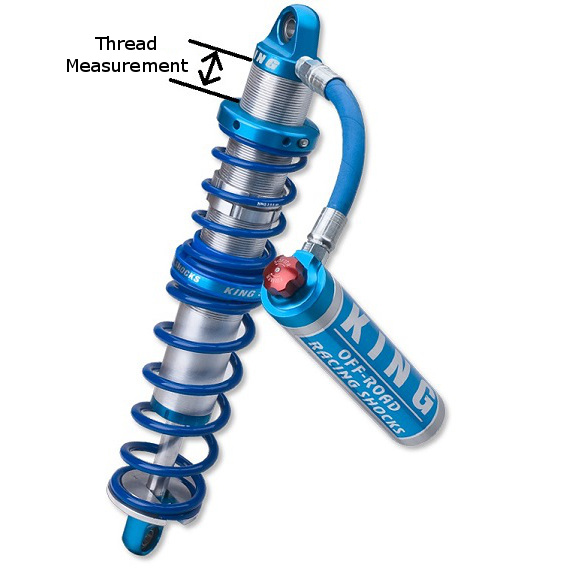
Preload refers to the amount of tension placed on your coilover springs before the vehicle’s weight is applied. It’s measured in inches and tells you how much the springs are compressed during installation. For example, if you install a 14″ spring and it measures 12″ once it’s on the coilover, you’ve added 2″ of preload.
 How much preload do I need for 1” 2” 3” lift?
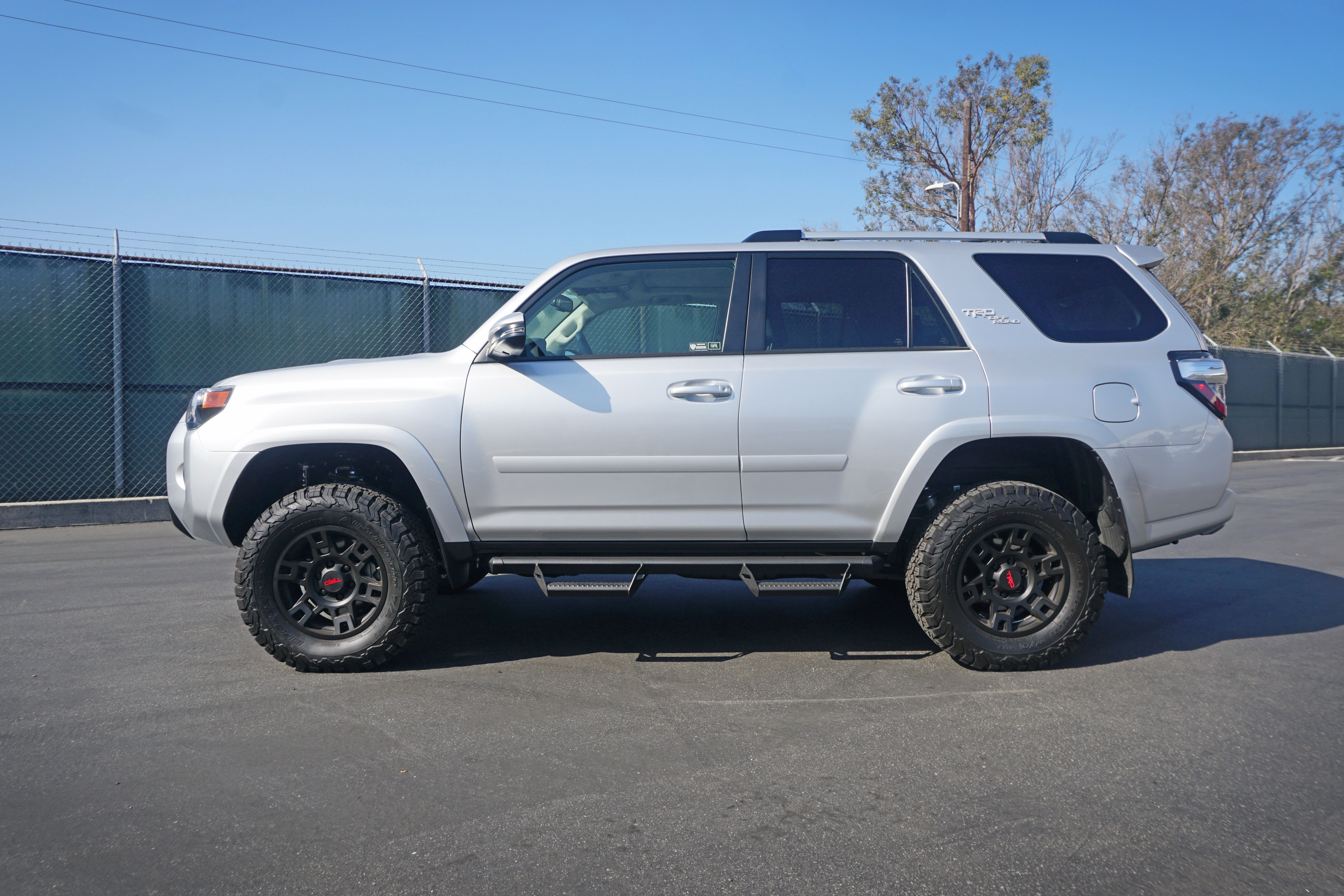
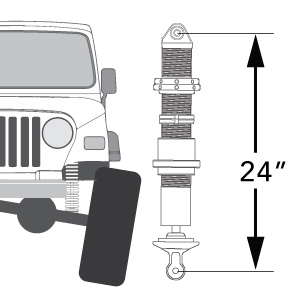
Calculating the exact amount of preload needed for a specific lift height is tricky—it varies based on factors like model year, trim level, added accessories, and uneven weight distribution between the driver and passenger sides. That’s why we don’t provide a one-size-fits-all preload setting. The best approach is to install your coilovers as they come, then fine-tune preload to dial in your desired ride height. Just be sure to stay within your coilover’s limits: know the collapsed length, max recommended installed length, and full extension to avoid damaging your suspension.
 Do my coilovers come preset to lift height?
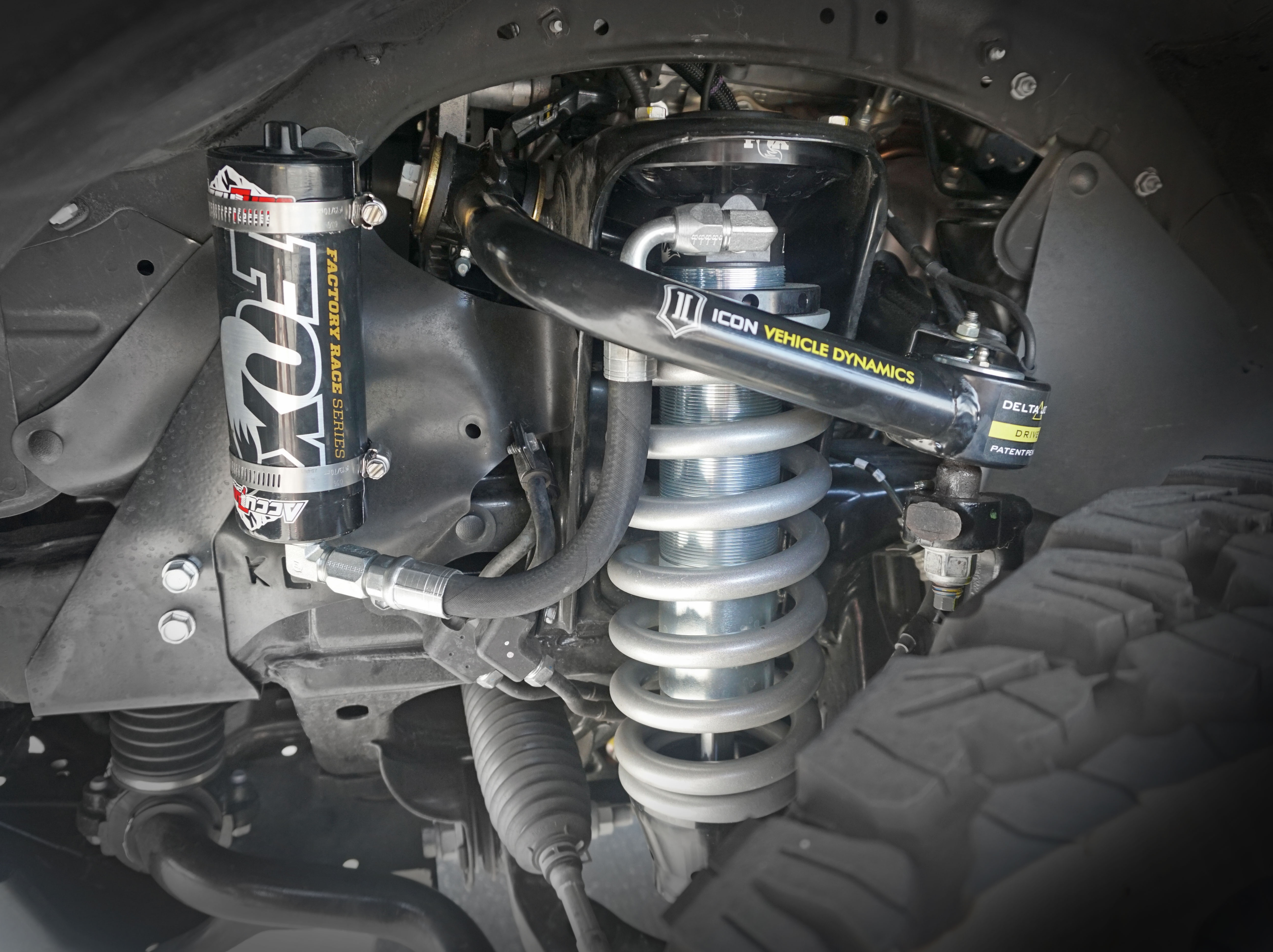
Fox and King coilovers arrive preset from the factory, but they’re typically just a starting point and will need adjustment to suit your specific vehicle. Unfortunately, we’re unable to make preload adjustments before shipping. When you receive your coilovers, you’ll notice there’s a LEFT and RIGHT side—this is intentional. The driver-side shock usually comes with slightly more preload to compensate for the added weight on that side, which is completely normal. Adjust as needed once installed to achieve proper ride height and balance.
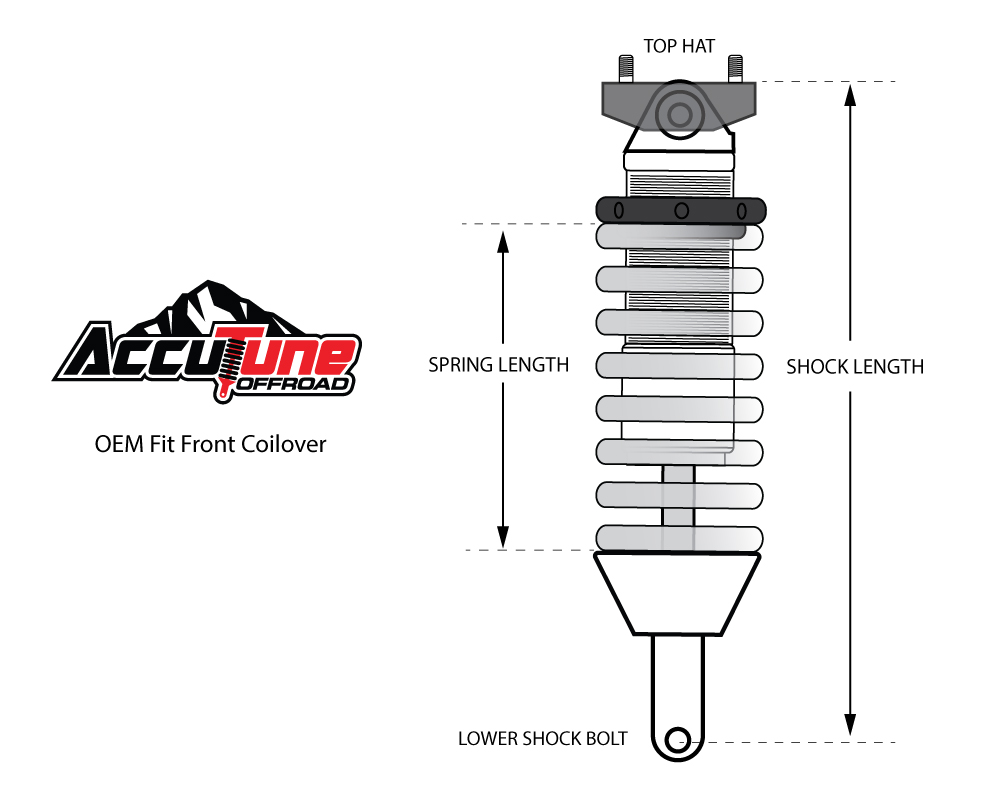
 DIY: How to set preload on your coilovers?
-
Measure the shock length of the coilover on the vehicle and determine how much higher or lower you want the ride height.
-
Record the measurement of the exposed threads above the preload nut—this helps track how much you’ve adjusted.
-
Remove the coilovers from the vehicle to safely make adjustments.
-
Thread the preload nut up or down to achieve the desired ride height.
-
Use a spring compressor while the shocks are off the vehicle—this makes adjustments much easier and safer.
-
Double-check that you haven’t exceeded the spring’s max compressed length.
-
Avoid excessive preload—too much can cause the spring to go solid (coil bind) before the bump stops engage, which can damage components.
 Too much preload?

If you end up requiring a lot of preload just to reach your desired ride height, it’s a sign that your springs might be too soft. In this case, switching to a heavier spring rate could be the right move. Be sure to check out our Spring Rates Article for a deeper dive—it’ll help you determine whether your current springs are the right fit for your setup.
If you’re still not sure, feel free to reach out to our sales team Sales@AccuTuneOffroad.com
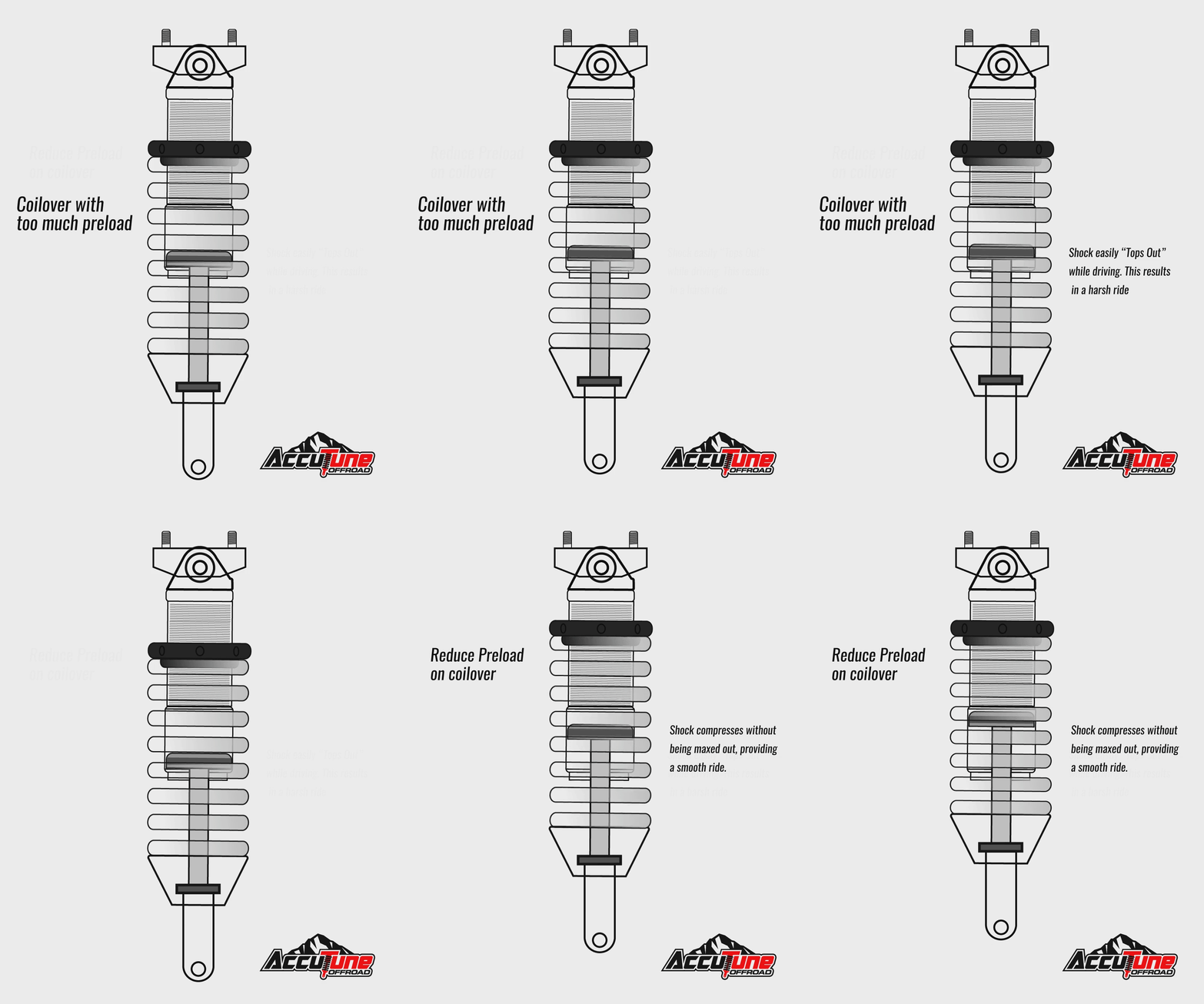 Will cranking down the preload to lift my truck higher make the ride rough?
Adding preload to your coilover doesn’t affect the internal valving or how the shock is tuned—but too much preload can reduce droop and cause the shock to top out prematurely, leading to a harsher ride. For optimal performance and ride comfort, we recommend maintaining at least 3” of droop at the wheel on IFS front ends.