2.0, 2.5 or 3.0 Shocks for Jeep Wrangler?
September 21, 2020
Upgrading your Jeep’s shocks brings up an important question: what size is right for your build? Should you stick with the popular 2.0″ shocks, step up to 2.5″, or go all-in with massive 3.0″ options? We’re here to break it down and help you choose the best fit for your needs.
Note: The information below applies specifically to Fox and King shocks. Other brands may differ in design, construction, or valving.
2.0″ Diameter Shocks
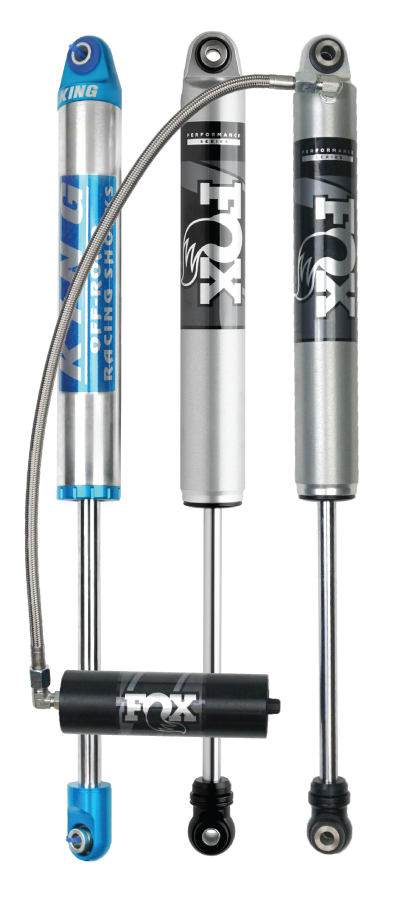
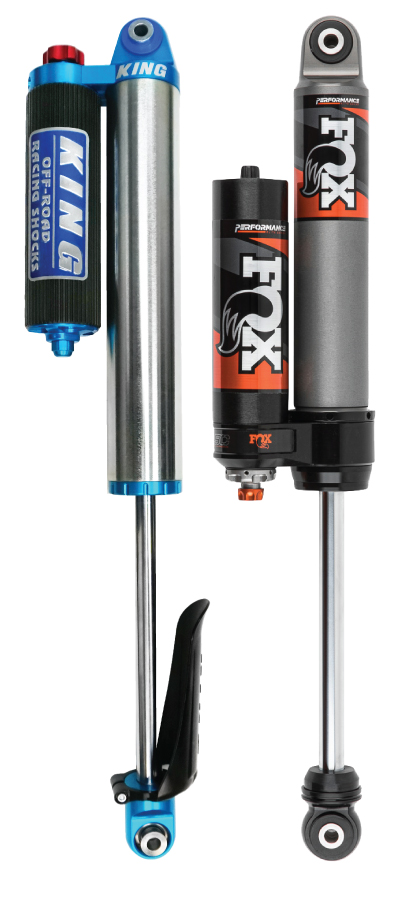
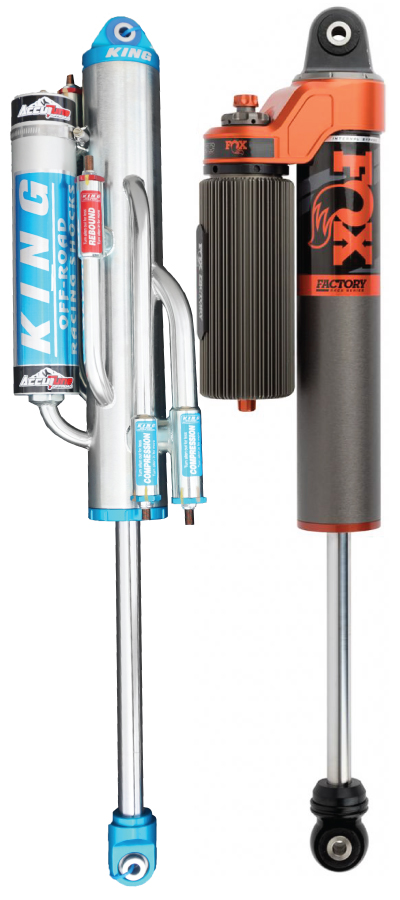
2.0” shocks are the most popular choice for Jeep owners—and for good reason. They offer great performance, excellent tunability, and a wide range of sizes to match different lift heights. While the 2.0″ IFP (Internal Floating Piston) shocks are attractive for their affordability, they don’t match the performance of remote reservoir versions.
Benefits:
-
Highly tuneable for different driving styles
-
Available in many lengths and lift heights
-
Budget-friendly pricing
-
Remote reservoir versions are rebuildable and tunable
Best For:
-
Daily drivers looking for a smooth ride
-
Budget-conscious builds
-
Weekend warriors
-
Light-duty use on washboard roads
Note:
IFP shocks are not tunable or rebuildable by AccuTune Off-Road. For more details on 2.0 IFP shocks, check out our in-depth article.
2.5″ Diameter Shocks

3.0″ Diameter Shocks
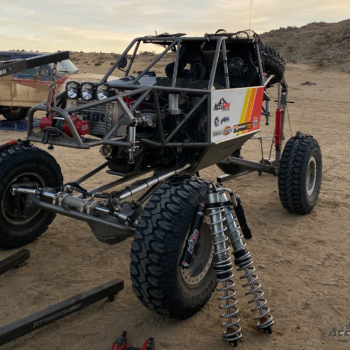
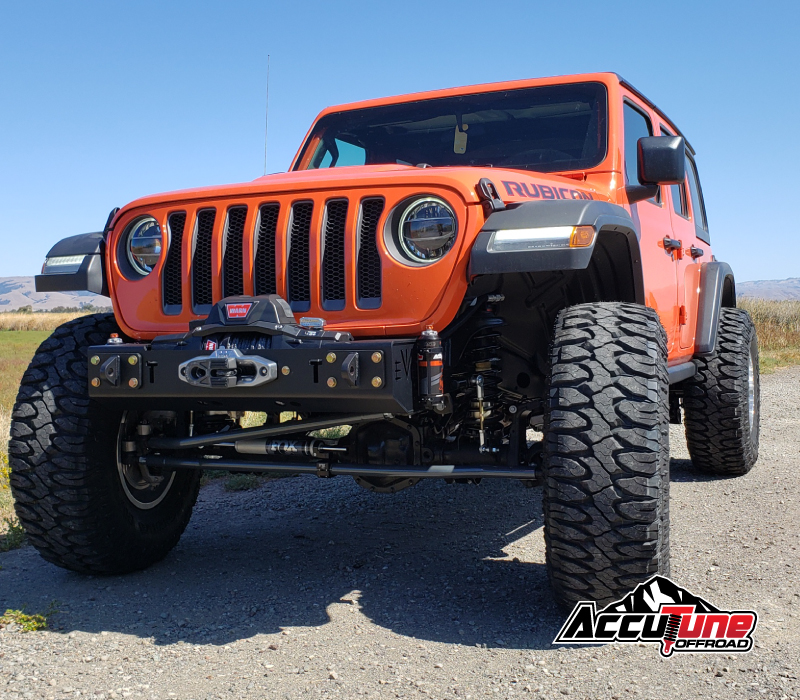
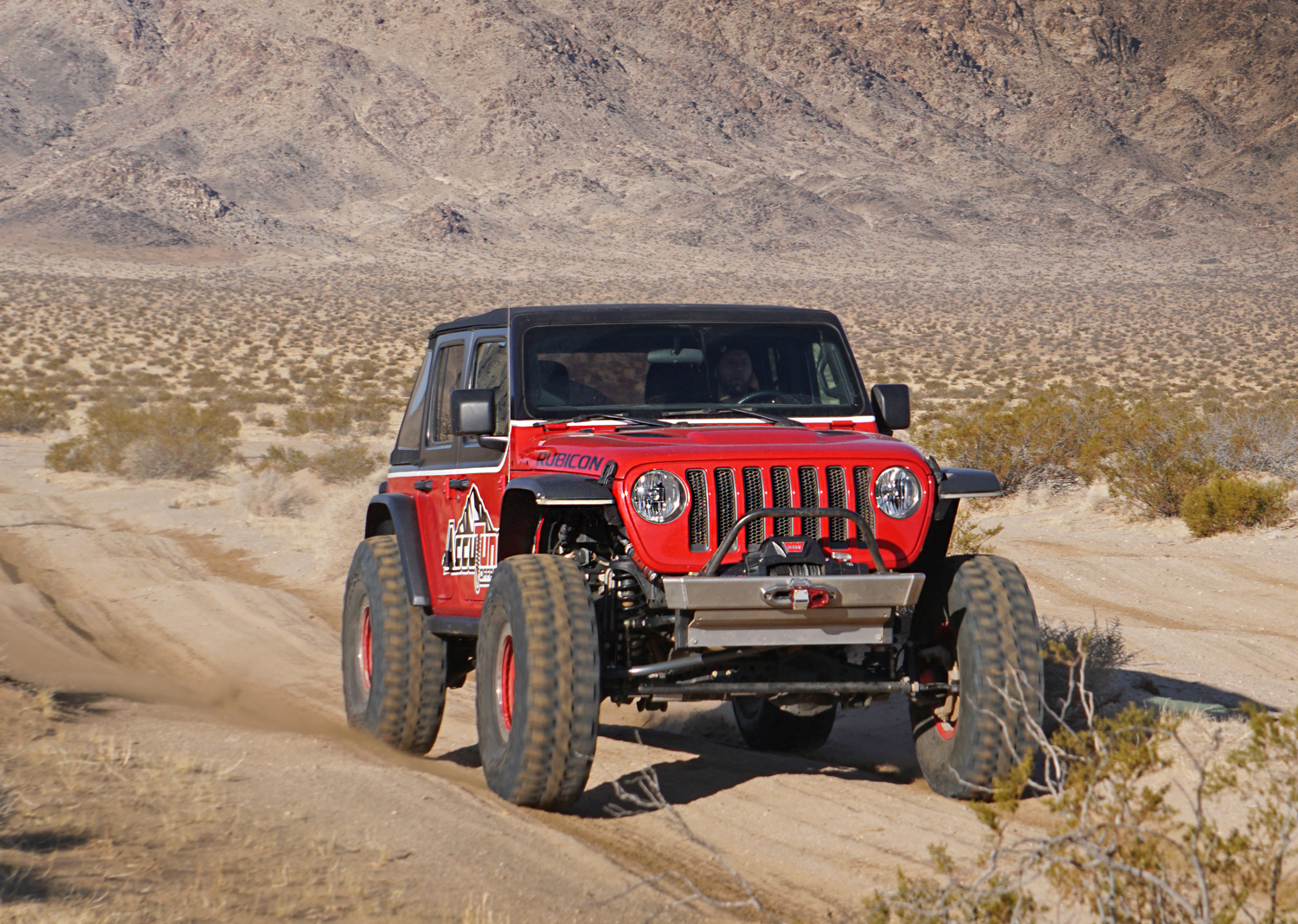
3.0″ shocks are built for serious off-road abuse, offering unmatched performance in rough terrain. With a big bore and bypass design, they provide excellent control and resist bottoming out, even in the harshest conditions.
Benefits:
-
Big bore and bypass design prevents bottoming out
-
Withstands extensive off-road miles
-
External bypass versions offer easy adjustability for ride stiffness
Recommended For:
-
High-speed off-road driving
-
Whoops, washboard roads, and demanding terrain
Note:
Both internal and external bypass shocks are height-sensitive—proper ride height is critical. Internal bypass shocks are difficult to tune and are best suited for race builds with the time and resources for extensive testing and adjustments.
Frequently Asked Questions:
Does the weight of my Jeep matter when choosing shocks? Does heavy Jeep = big shocks?
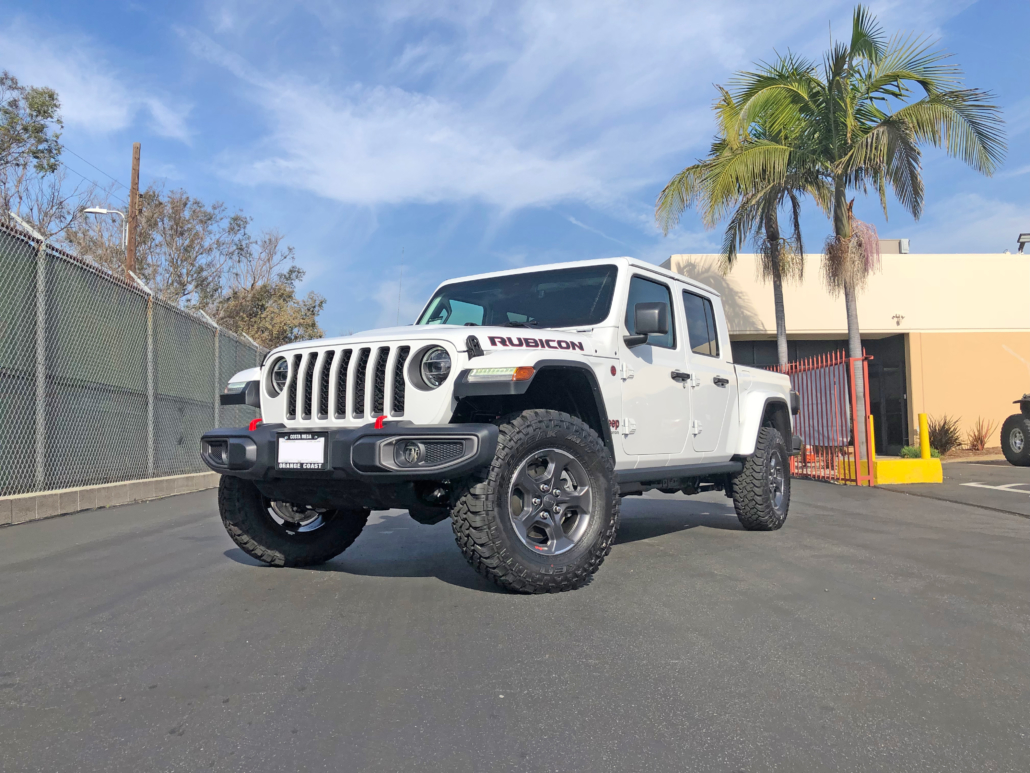
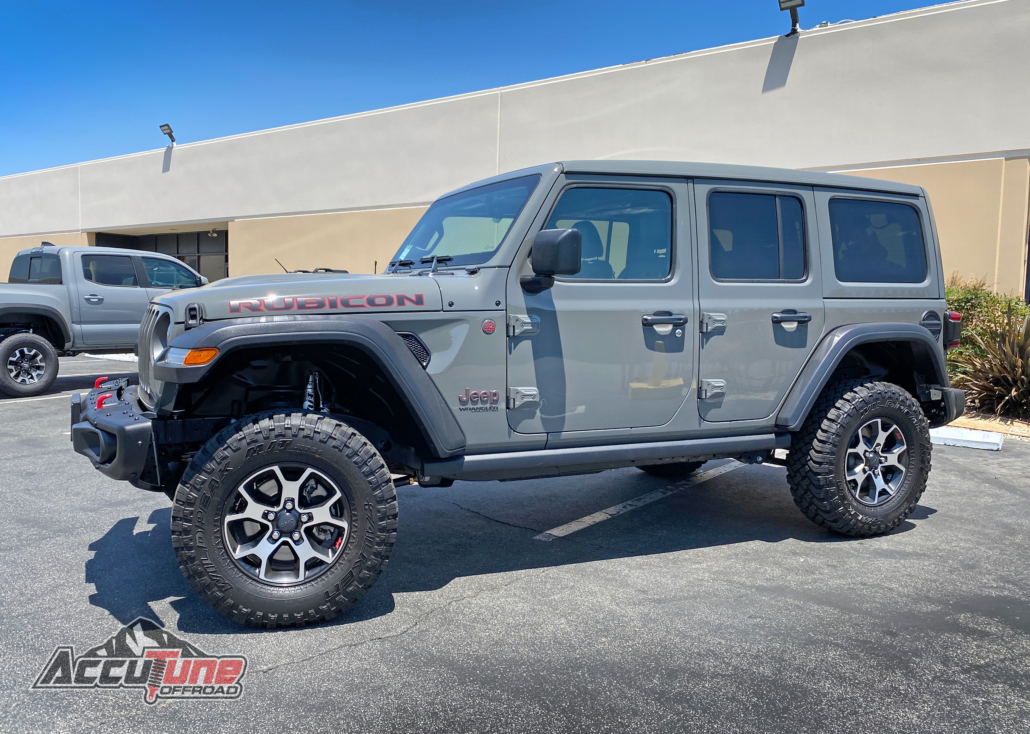
~ It depends. For street and trail use, 2.0 shocks can be tuned for heavier Jeeps. But if you’re doing a lot of desert driving or whoops, a 2.5 shock is a better fit.
Which shocks give the best street ride but can still handle off-road use?
~ For most people, 2.0 shocks provide the best balance of street comfort and trail capability.
What if I daily drive my Jeep but also want to push it hard off-road?
~ 3.0 external bypass shocks offer the best of both worlds with high performance and tunability—no compromises.
Are there downsides to running shocks that are too big?
~ Yes. Bigger shocks are naturally stiffer and can ride harshly if oversized for the vehicle. That’s why we only recommend bypass shocks in the 3.0″ size—where they’re truly needed.
Is it worth getting the more expensive Remote Reservoir shocks over IFP?
~ In most cases, yes. IFP shocks are usually non-serviceable, meaning once they wear out, they’re done. Remote reservoir shocks, on the other hand, can be tuned, rebuilt, and serviced—making them a long-term investment that can last the life of your Jeep with proper maintenance.
Read here for more information.
Is it okay to upgrade the front shocks first?
~ Yes, upgrading the front shocks before the rear is common. Just keep in mind the vehicle may feel unbalanced or behave unpredictably until both ends are upgraded with shocks from the same tuner.
What’s the difference between external and internal bypass shocks?
~ External bypass shocks work great on Jeeps when properly tuned and offer easy adjustability for fine-tuning. Internal bypass shocks can offer similar performance but are much harder to tune, more height-sensitive, and often not worth the cost or complexity for most Jeep builds.