April 6, 2021
- How do Bypass Shocks Work?
- Shock Zones & Basic Tube Layout
- Bottom Take Off Reservoir
- Off the Shelf Options
- Multiple Compression and Rebound Tubes
- Staggered vs Overlapping Tubes
- Piggyback vs Remote Reservoir
Bypass Shocks PART 3
- Customizing Bypass Shocks
- Custom Setup Recommendations
- Shock Diameter
- Tube Layout around body
- Tube Heights & Diameter
- Coatings, cooling and color options
- Fox vs King Comparison
- Check Valve Design
- Pistons
- Bypass Adjusters Screws
- Piston Rods
- Oil Seals
- Bypass Shock Setup
- Up Travel
- Motion Ratio – Coilover & Bypass
- Total Weight
- Weight Distribution (front/rear)
- Unsprung Weight
Tube Height Location
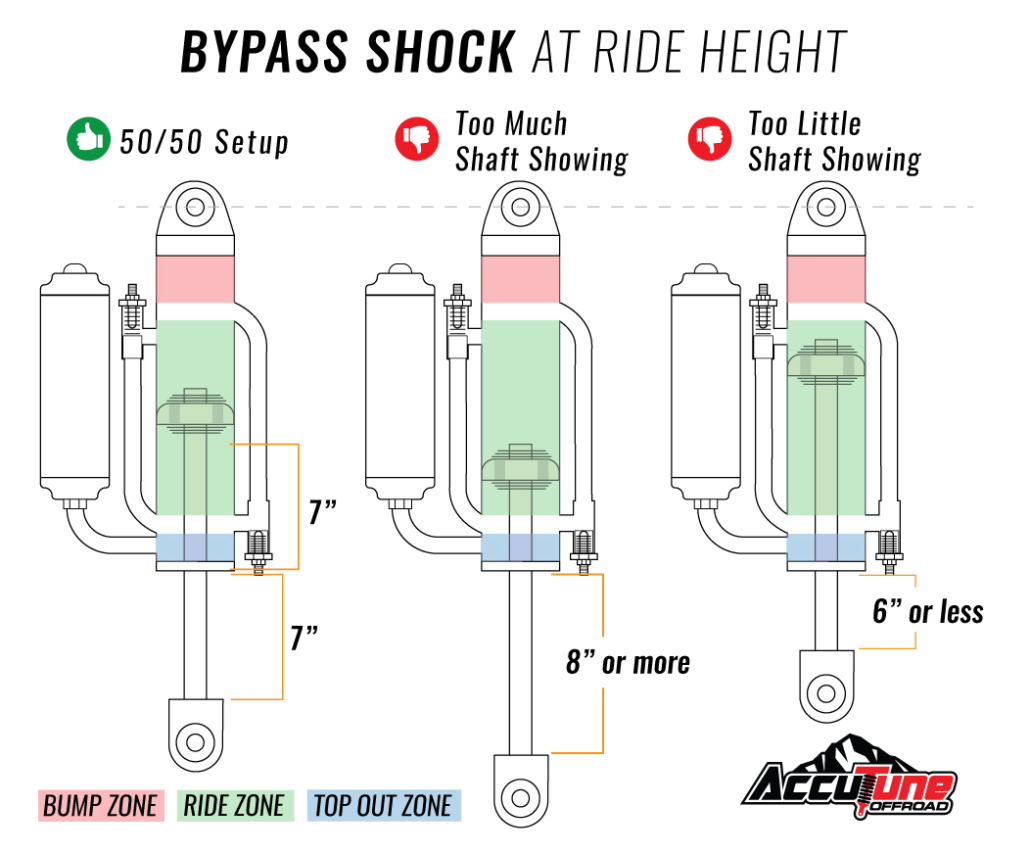
Most off-the-shelf bypass shocks are designed to run with about 50% of the shaft exposed at ride height (for example, 7” of shaft showing on a 14” travel shock). If too much shaft is showing, the ride zone becomes too large, making the shock feel soft and bouncy. On the other hand, if too little shaft is exposed, the shock may be operating beyond the ride zone during compression—and possibly rebound—landing in the transition or bump zones.
This is problematic because the bypass tubes don’t flow enough oil in these zones to provide the soft, controlled damping needed, often resulting in harsh, jarring transitions. Shocks with insufficient shaft exposure often feel stiff and lack smooth progression through their travel.
By customizing the height of the bypass tubes, we can ensure the shock operates within the correct zones, achieving the right balance—not too stiff, and not too soft.
Tube Layout & Diameter
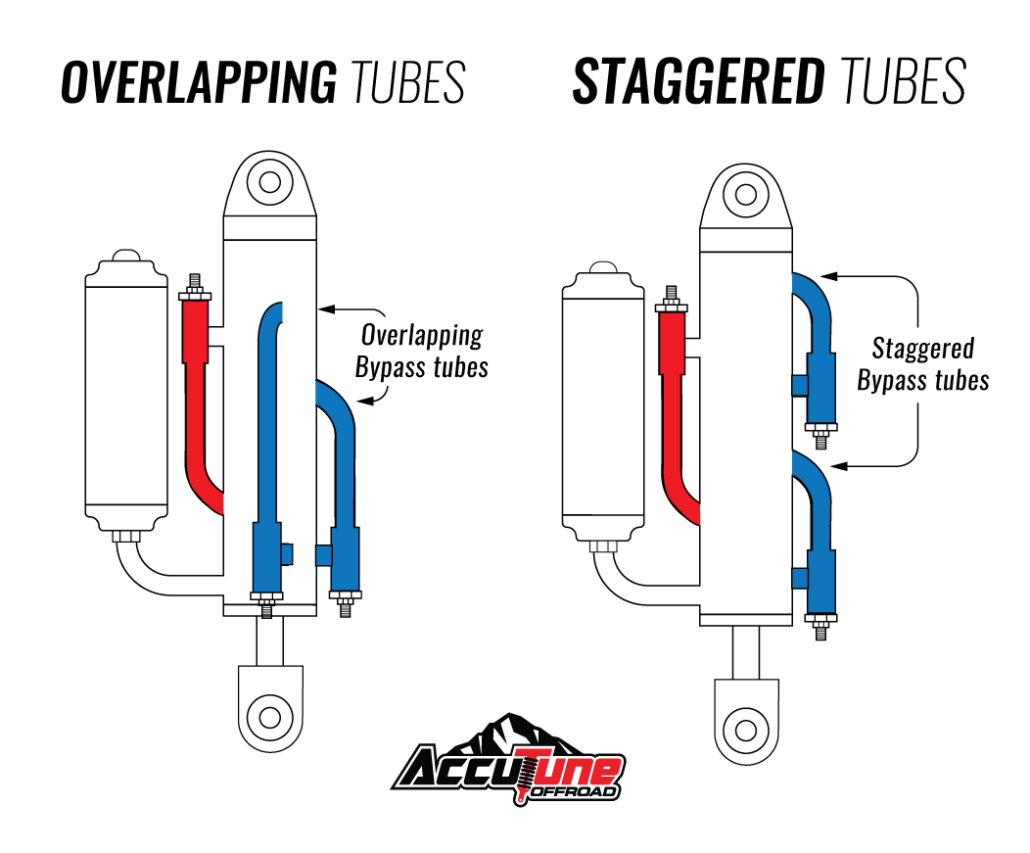
Tube layout (staggered vs. overlapping) and tube diameter work hand-in-hand to control how much oil flows through the ride zone. When oil flow is too low, the ride can feel harsh over chop and painfully jarring through fast whoops. Choosing the right bypass tube size is key to unlocking significant improvements in both comfort and performance.
Because every vehicle setup and specification is unique, there’s no universal solution—but as a rule of thumb, more flow almost always means better tunability and a smoother ride. When we craft custom bypass shocks for our customers, we consistently opt for overlapping tubes to maximize flow and extract the best performance possible.
Shock Diameter
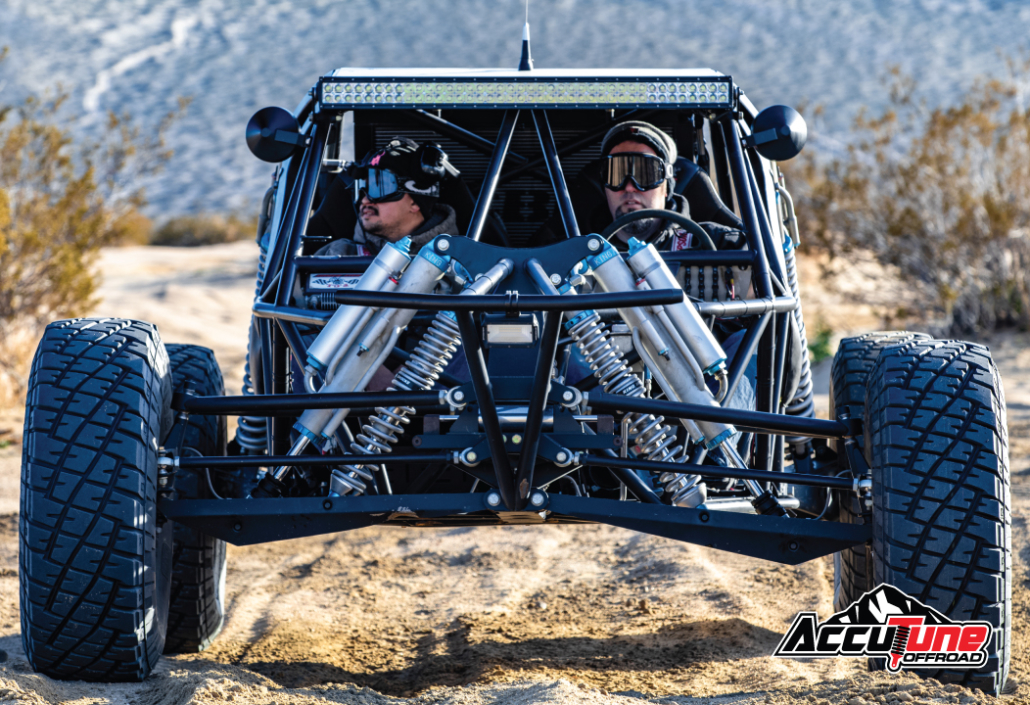
Shocks can be either too small or too large for a given application, and both extremes cause issues. Every shock has an optimal damping range—a minimum and maximum force where it performs best.
-
When bypass shocks are significantly too small, they simply can’t generate enough force, resulting in a soft, bouncy ride. In this case, the bypass tubes often end up nearly closed, effectively turning the shock into an expensive smoothie with limited tunability.
-
If the shocks are slightly undersized and need to operate near their maximum stiffness, tunability decreases, and the ride can become harsh in ways that can’t be fully tuned out.
-
Conversely, when shocks are too large, they have to be set near their minimum damping level. If that minimum damping is still too stiff, the ride becomes rough and jarring.
Choosing the right shock size is crucial to achieving the best balance between comfort and control.
Tube Orientation
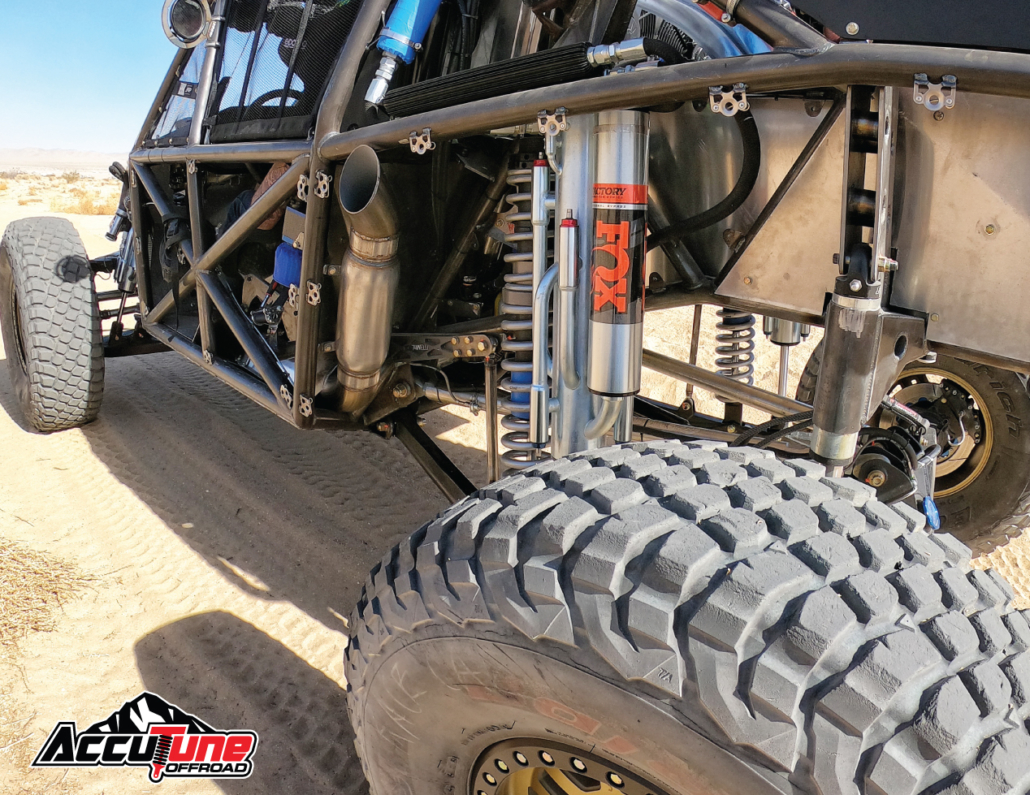
Standard bypass tube orientations often create clearance issues with chassis or suspension components—especially when using larger diameter tubes. To address this, all Fox and King bypass shocks offer the option to order custom tube layouts, allowing you to optimize fitment and avoid interference.
Shock Cooling
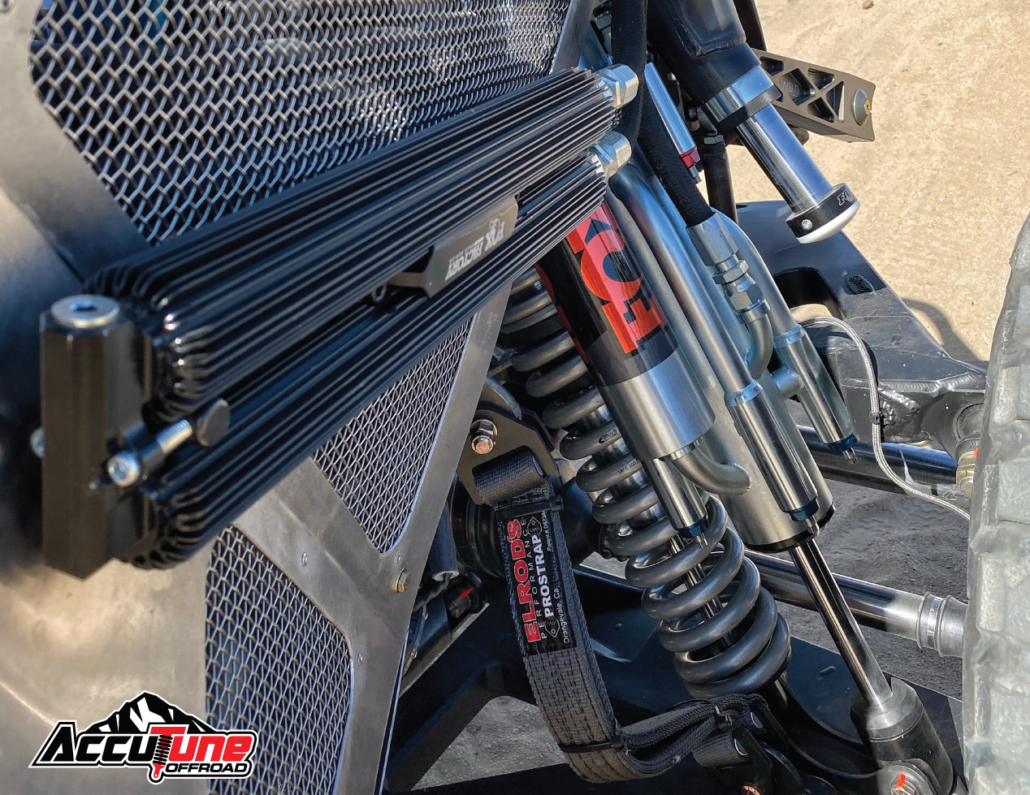
When your shocks need more cooling, the first step is usually to increase shock diameter. However, this isn’t always feasible due to clearance constraints or stiffness concerns. In those situations, installing external oil coolers becomes a smart solution.
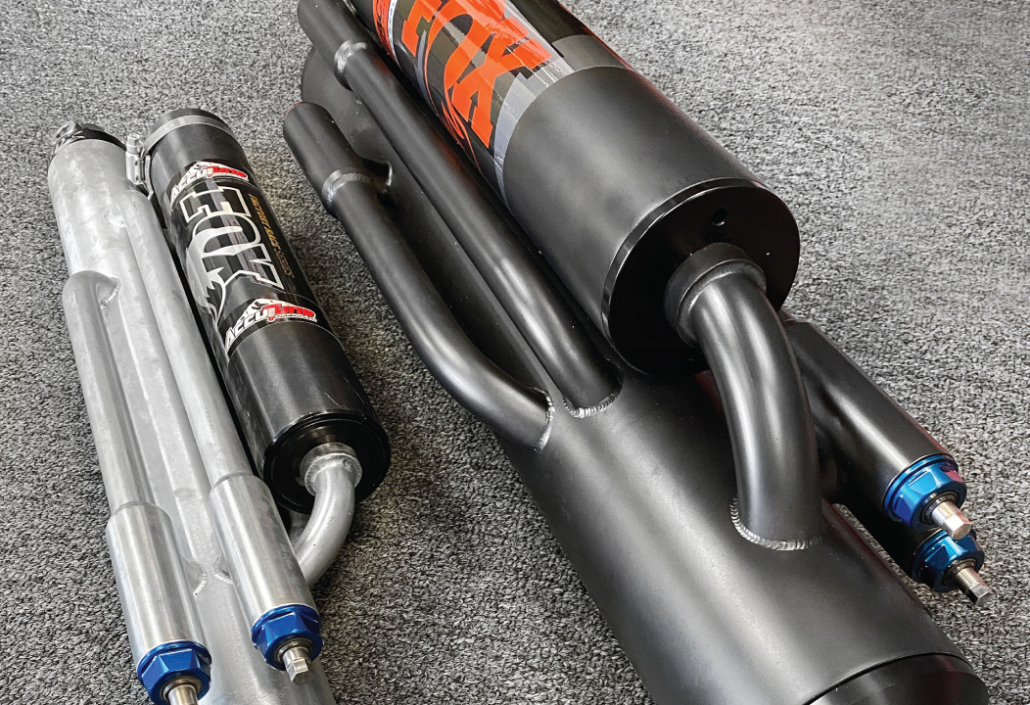
King offers large finned reservoirs that improve cooling performance on piggyback shocks. Meanwhile, Fox provides the Baja cooler, which channels oil through the rebound bypass circuit in a single direction across a dedicated cooler—delivering impressive temperature control. This Fox system can also be adapted to work with other shock brands.
Shock Coatings
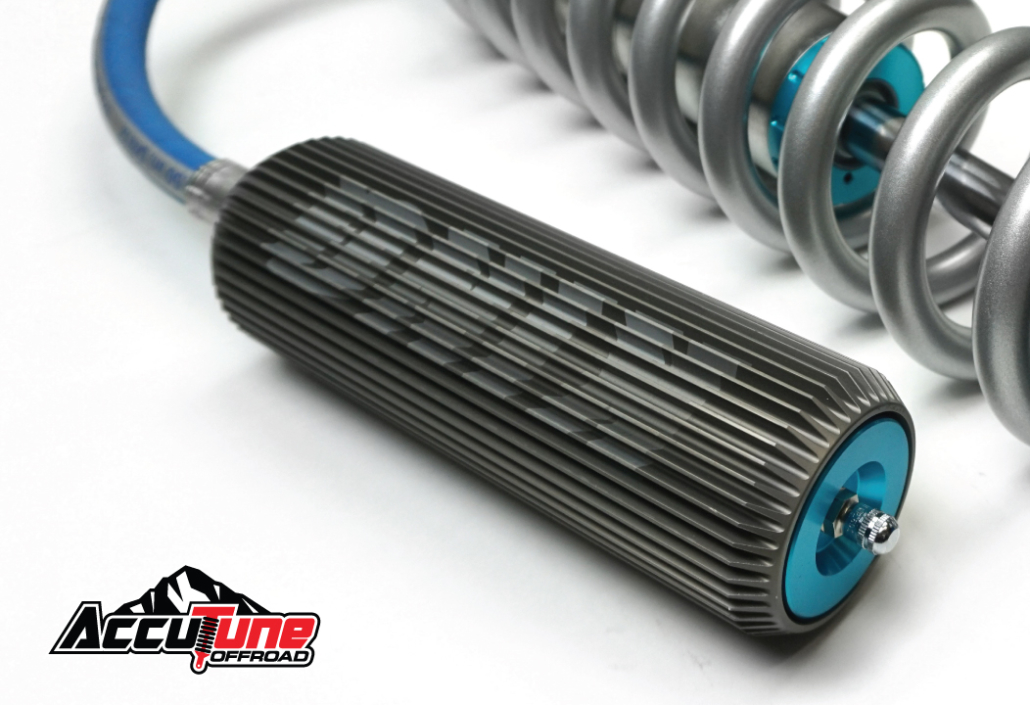
King bypass shocks come standard with cadmium plating, while Fox uses zinc plating. Both coatings offer similar corrosion resistance but tend to degrade in highly corrosive environments. Fortunately, both Fox and King also offer Cerakote finishes.
Cerakote is a thin, extremely hard ceramic coating that’s baked onto the shock body. It not only provides a sleek, durable finish but also offers superior protection against harsh environmental conditions.

Custom Shock Colors
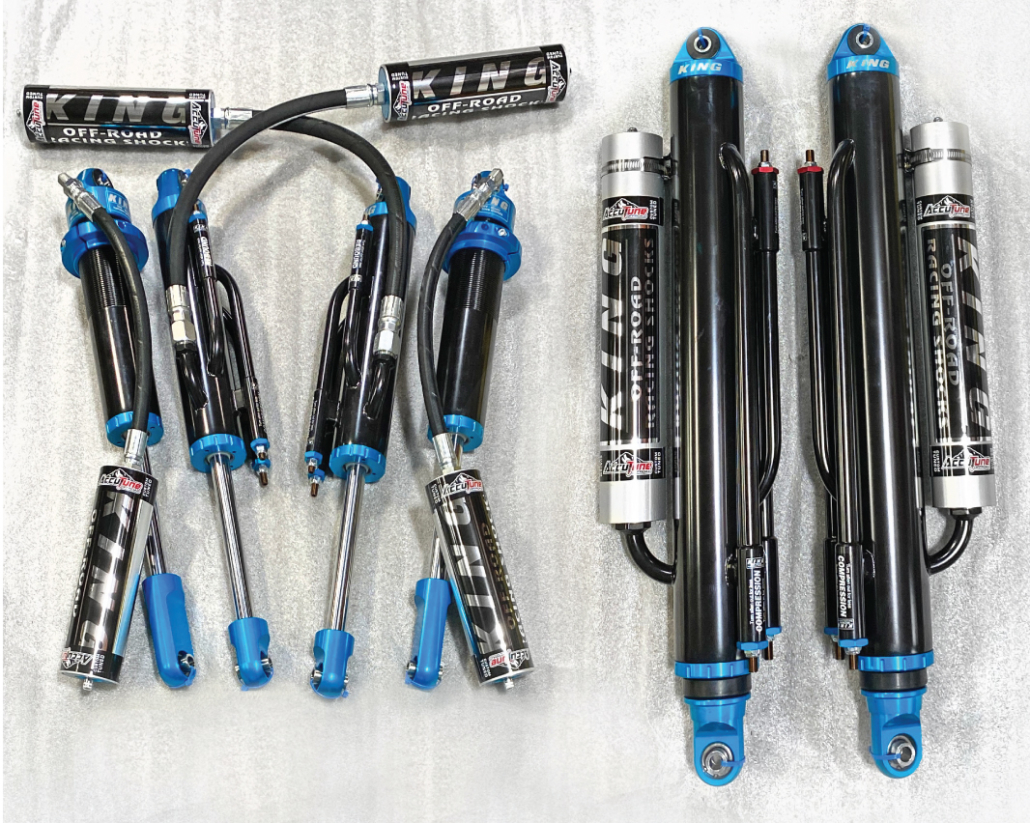
King bypass shocks can be ordered in custom colors. This process involves stripping all aluminum anodized parts and recoating them in the chosen color. While you can select the color, the exact shade may vary.
In contrast, Fox bypass shocks are only available with their standard black anodizing.

- Off the shelf options
- Multiple compression and rebound tubes
- Staggered vs overlapping tubes
- Fitment & installation

- Fox vs King Comparison
- Check Valve Design
- Pistons
- Bypass Adjusters Screws
- Piston Rods
- Oil Seals