
How to Prepare Your Off-Road Vehicle for Desert Season: 10 Essential Tips
How to Prepare Your Off-Road Vehicle for Desert Season: 10 Essential Tips
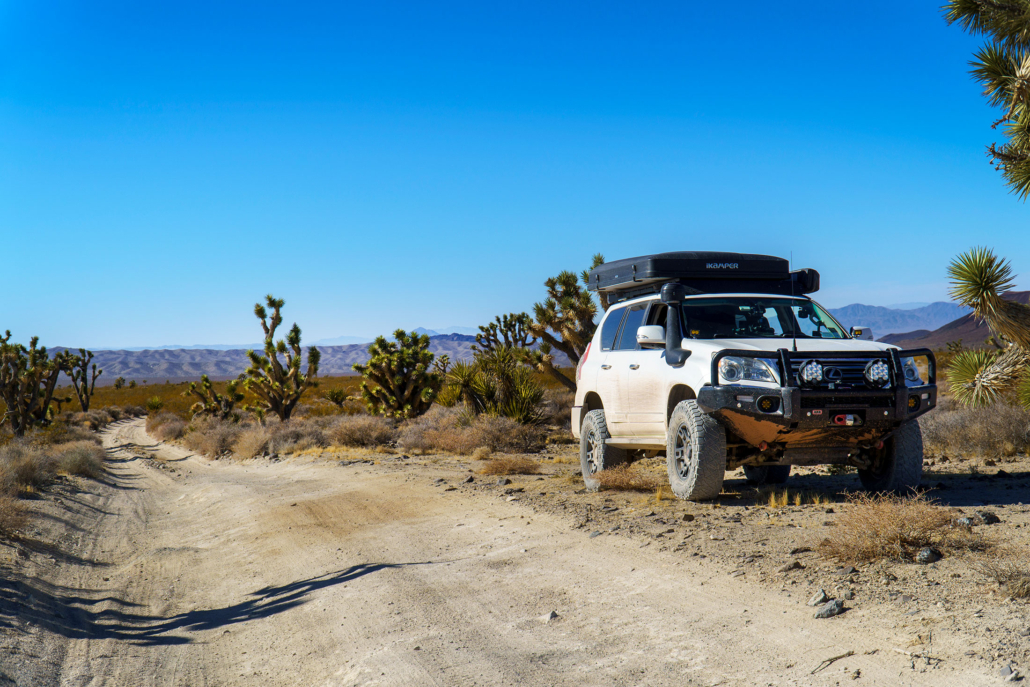
As temperatures begin to cool across Southern California, desert season is right around the corner. For off-road enthusiasts, late fall, winter, and early spring are some of the best times to explore places like Johnson Valley, Ocotillo Wells, Glamis, and the surrounding desert trails.
One of the best parts of off-roading is getting away from the noise and distractions of everyday life. Whether you are camping in the middle of the desert, exploring remote trails, or pushing your truck through high speed terrain, these adventures offer an opportunity to enjoy the outdoors far from highways, crowds, and cell service.
However, remote off-road adventures also come with risks. A worn suspension component, leaking shock, overheated engine, or blown trailer tire can quickly turn a great weekend into a recovery mission. When you are miles from the nearest town, proper vehicle maintenance and preparation can make all the difference.
Before heading out for your first desert trip of the season, take the time to inspect your vehicle, service your suspension, and check your essential gear. Here are 10 important ways to prepare your off-road truck or rig for desert season.
1. Start Your Off-Road Vehicle and Check for Problems
If your off-road truck, prerunner, or trail rig has been sitting for most of the summer, start it up well before your next trip. High temperatures, long periods without use, and extended storage can contribute to battery problems, fluid leaks, and other mechanical issues.
Start with a basic inspection:
- Check that the battery is charged and the engine starts properly.
- Look for check engine lights or other warning indicators.
- Inspect underneath the vehicle for oil, coolant, or other fluid leaks.
- Check the condition of belts, hoses, and visible wiring.
- Listen for unusual noises from the engine or drivetrain.
- Check tire pressure and inspect the tires for damage.
Address any warning lights, leaks, or unusual noises before your trip. A small problem discovered in your driveway is much easier to fix than the same problem in the middle of the desert.
2. Inspect Suspension Components and Check All Hardware
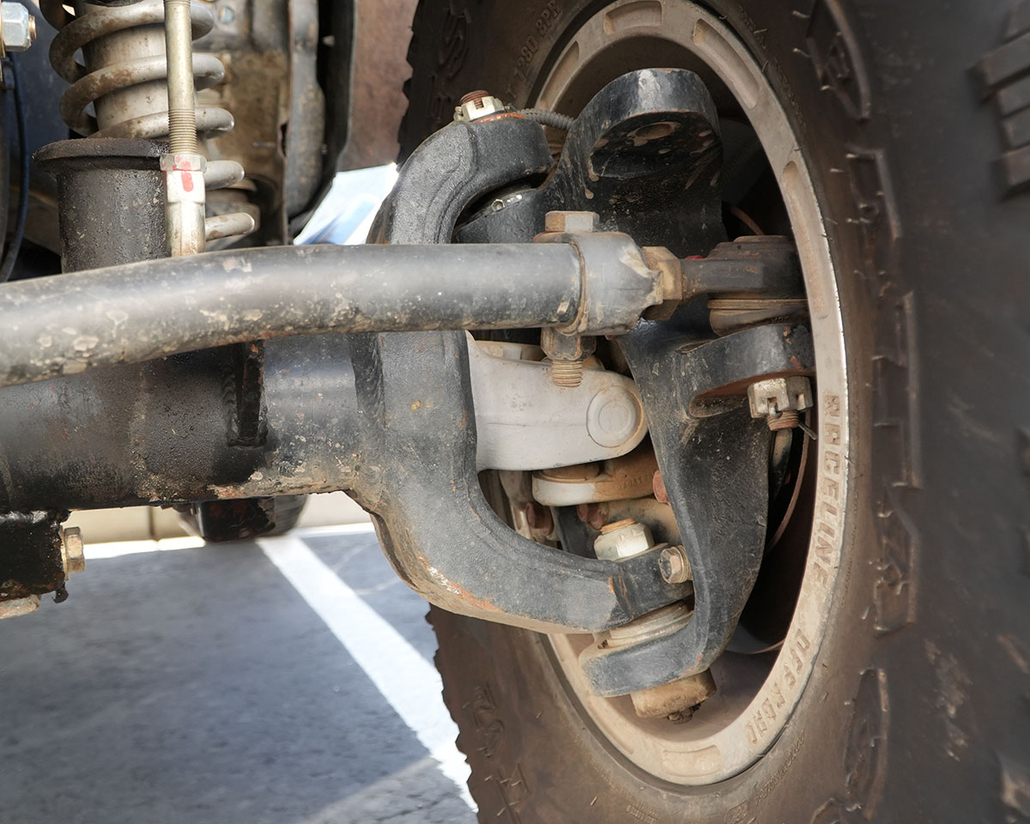
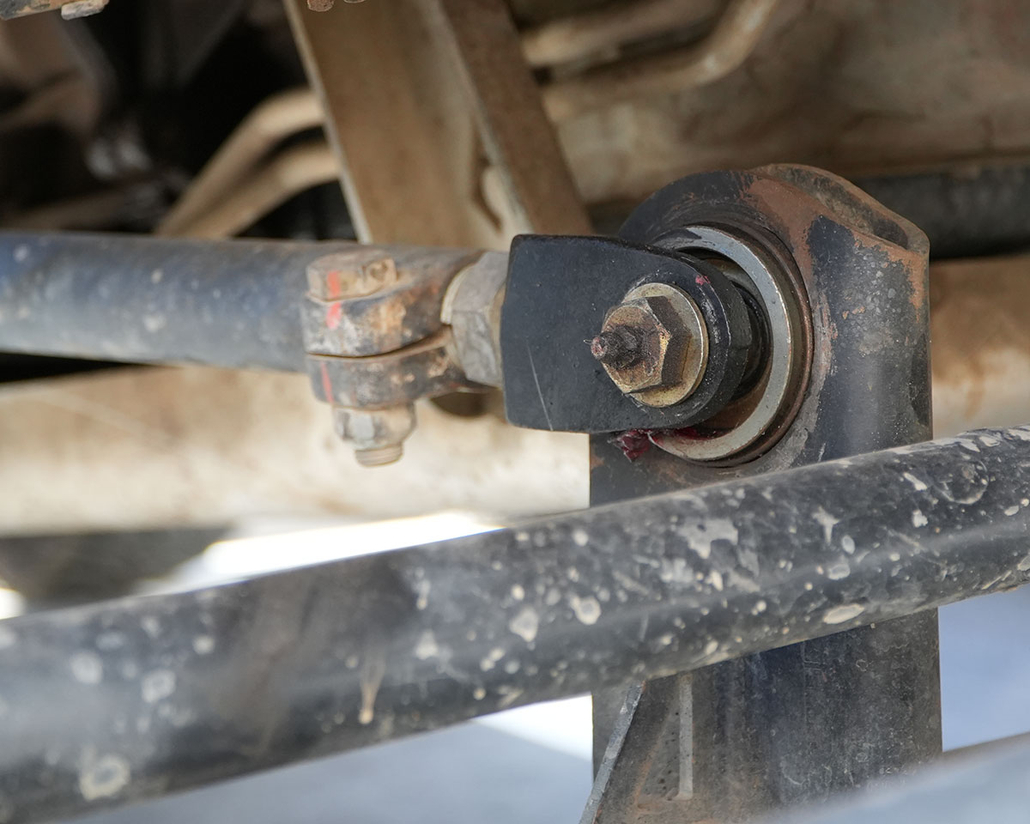
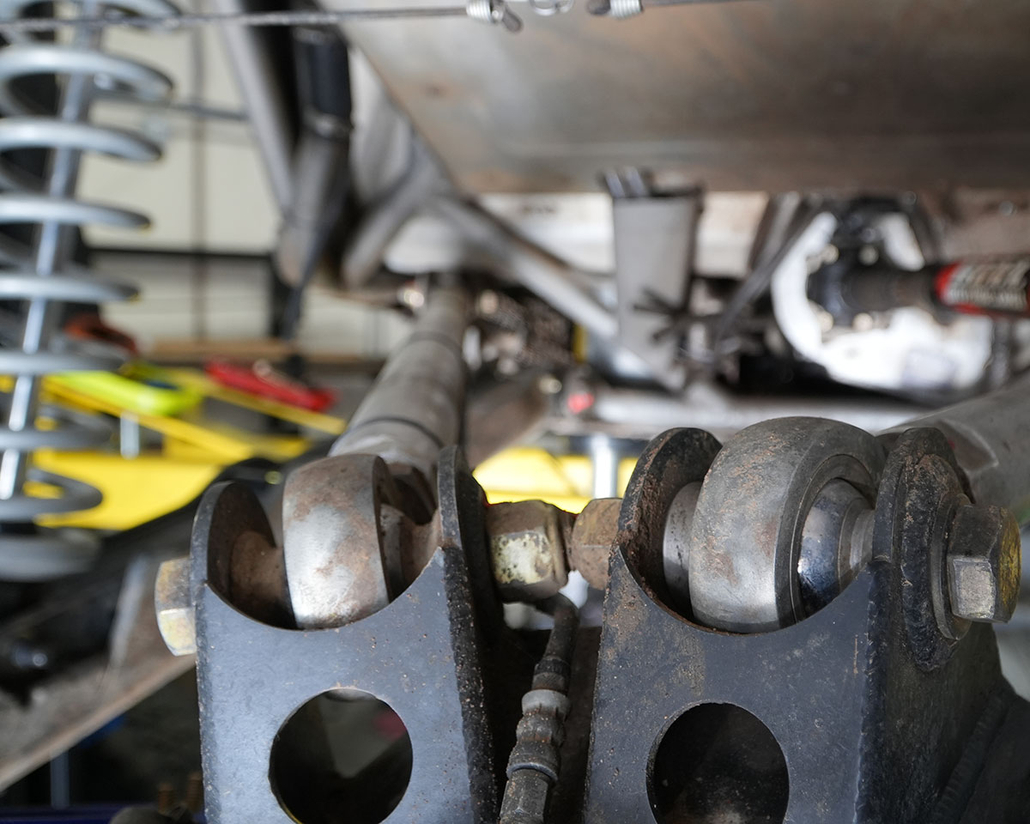
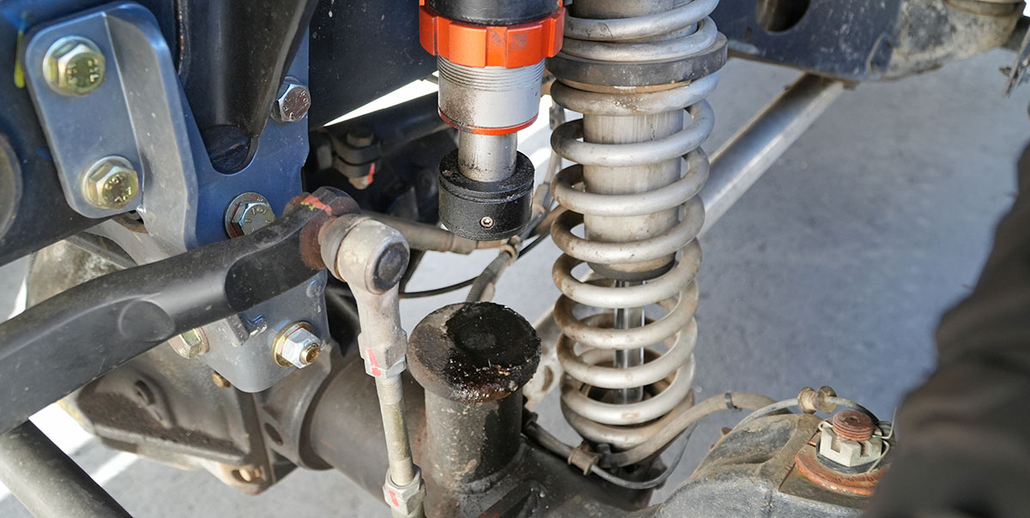
Your off-road suspension takes a tremendous amount of abuse, especially when driving over whoops, rocks, ruts, and uneven desert terrain. Before the season begins, inspect your suspension components and check critical mounting hardware for looseness, damage, or excessive wear.
Pay particular attention to:
- Upper and lower control arm mounting hardware
- Ball joints and uniball joints
- Tie rods and steering components
- Sway bar links and mounting points
- Shock mounting bolts and hardware
- Leaf spring hardware, U bolts, and axle mounting points
- Suspension bushings, heims, and other pivot points
Look for excessive play, damaged boots, cracked components, loose hardware, and signs of metal-on-metal contact. Squeaking can indicate a lubrication issue or worn joint, although not every noise means a component needs replacement.
Follow the manufacturer’s torque specifications when checking fasteners. Some suspension components require specific tightening procedures, and over-tightening can be just as problematic as leaving hardware loose.
Suspension or steering component failure at speed can cause serious vehicle damage and create a significant safety hazard. If you discover excessive play, damaged hardware, or questionable joints, address the issue before heading into the desert.
3. Service Your Off-Road Shocks Before Desert Season
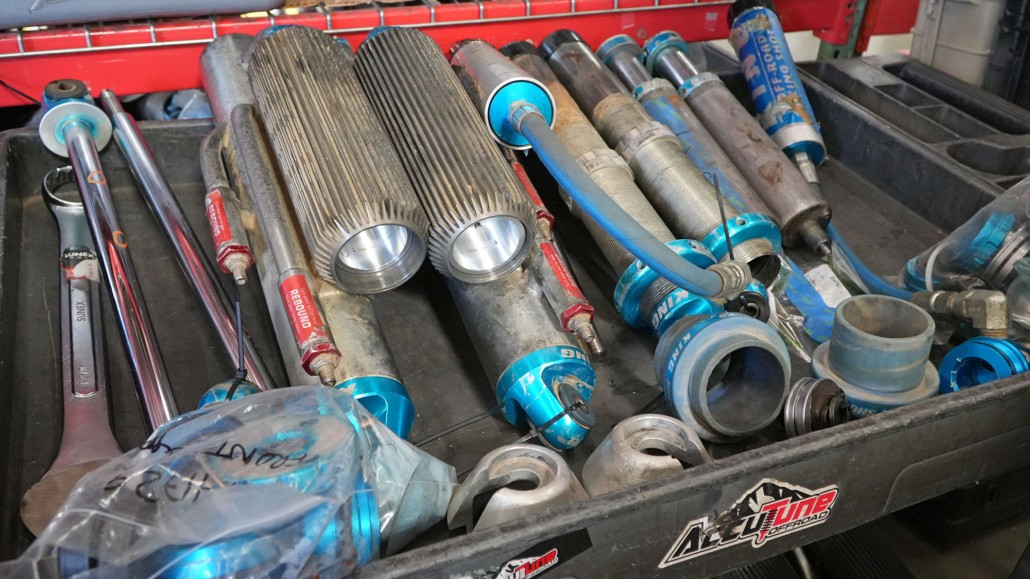
When was the last time your off-road Fox Shocks or King Shocks were rebuilt or serviced? If you cannot remember, now is a good time to review their service history and determine whether maintenance is due.
Your shocks play a critical role in controlling suspension movement, maintaining tire contact, and keeping your vehicle predictable over rough terrain. High temperatures, repeated impacts, and sustained high speed driving put additional demands on your suspension, making shock maintenance especially important for desert off-roading.
Before your next trip, inspect your shocks for:
- Oil leaking around the shock shaft or seals
- Scratches, dents, or damage to the shock body
- Damaged hoses, fittings, or reservoir hardware
- Loose mounting bolts or damaged mounting points
- Unusual noises or changes in ride quality
- Signs of reduced damping performance or excessive heat
A shock can also need service without showing obvious external leaks. Worn internal seals, contaminated oil, and changes in damping performance may not be visible during a basic inspection.
Many rebuildable performance shocks require periodic maintenance based on the manufacturer’s recommendations, vehicle setup, driving conditions, and usage. A vehicle driven aggressively in the desert may need service sooner than one used primarily for light trail driving.
If your shocks are due for maintenance, professional shock service can help restore proper damping performance and identify worn internal components before they become bigger problems. Depending on the shock and its condition, service may include replacing seals, inspecting internal components, refreshing shock oil, and checking nitrogen pressure.
At AccuTune Offroad, we service rebuildable performance shocks and help off-road enthusiasts maintain their suspension for the way they actually drive. If your shocks are leaking, overdue for service, or no longer performing as they should, consider scheduling a rebuild before desert season gets underway. Get a quote today for shock rebuilds.
Do not overlook nitrogen pressure. If your shocks use a pressurized reservoir, have the charge checked using the correct procedure and specifications for your shock. Do not assume every shock uses the same nitrogen pressure, and do not attempt to open a pressurized shock without the proper equipment and training.
4. Pack Recovery Gear for Desert Off-Roading
Even experienced off-road drivers can get stuck. Soft sand, deep ruts, unexpected obstacles, and mechanical problems can leave a vehicle stranded. Having the right recovery equipment makes these situations easier to manage and can help you assist other drivers on the trail.
Consider carrying the following recovery gear:
- Properly rated recovery straps or kinetic recovery ropes for their intended use
- Compatible rated recovery points and appropriate recovery hardware
- Recovery gloves
- A sturdy shovel for digging tires out of sand
- Traction boards for loose sand or soft terrain
- A tire deflator and portable air compressor
- A basic tool kit and common replacement hardware
- A flashlight or headlamp for nighttime recovery situations
Make sure you understand how to use your recovery equipment before you need it. Never attach recovery gear to an unsuitable tie-down point, and avoid using damaged or improperly rated equipment.
If you regularly travel with friends, coordinate your recovery gear so your group has the equipment needed to handle common situations. Being prepared can save time, reduce stress, and help everyone get back to camp safely.
5. Carry Plenty of Water and Emergency Supplies
Water is one of the most important supplies to bring on any desert adventure. Even during cooler months, dehydration can become a serious concern, particularly when hiking, working on a stuck vehicle, or spending hours in direct sunlight.
Carry enough drinking water for everyone in your group, with additional supplies for unexpected delays. Do not rely on finding water along the trail.
It is also smart to pack an emergency kit that includes:
- First aid supplies
- Emergency food and snacks
- Electrolytes
- Sunscreen and protective clothing
- A communication device suitable for your route and coverage area
- Emergency shelter or warm layers
- Basic tools and repair supplies
Extra water may also be useful for certain vehicle emergencies, but drinking water should remain your priority. If you carry water intended for emergency vehicle use, keep it separate from your drinking supply.
Cell service can be unreliable or nonexistent in remote desert areas. Share your trip plans with someone who is not going, know your intended route, and have a plan for communicating if your group gets delayed.
6. Inspect Your Camping and Overlanding Gear
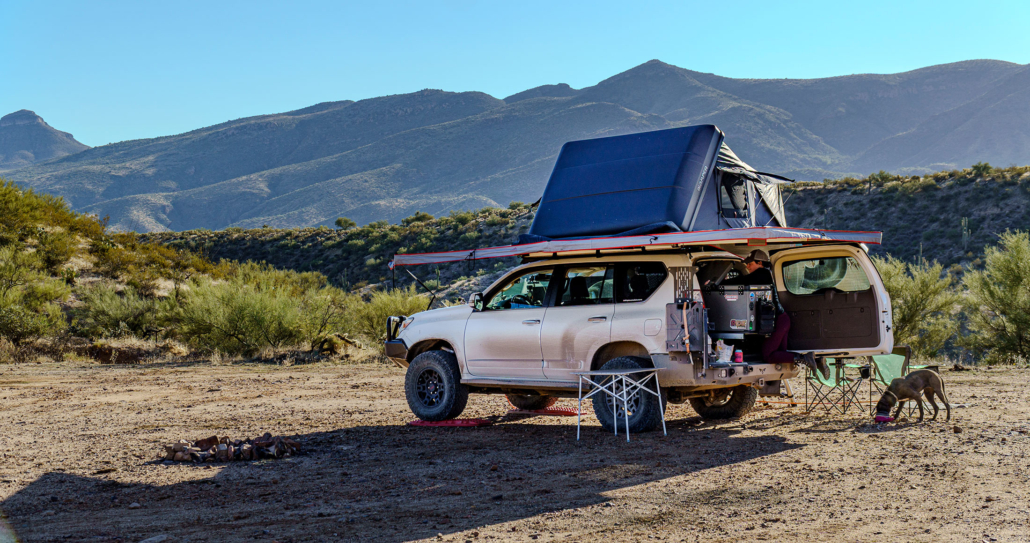
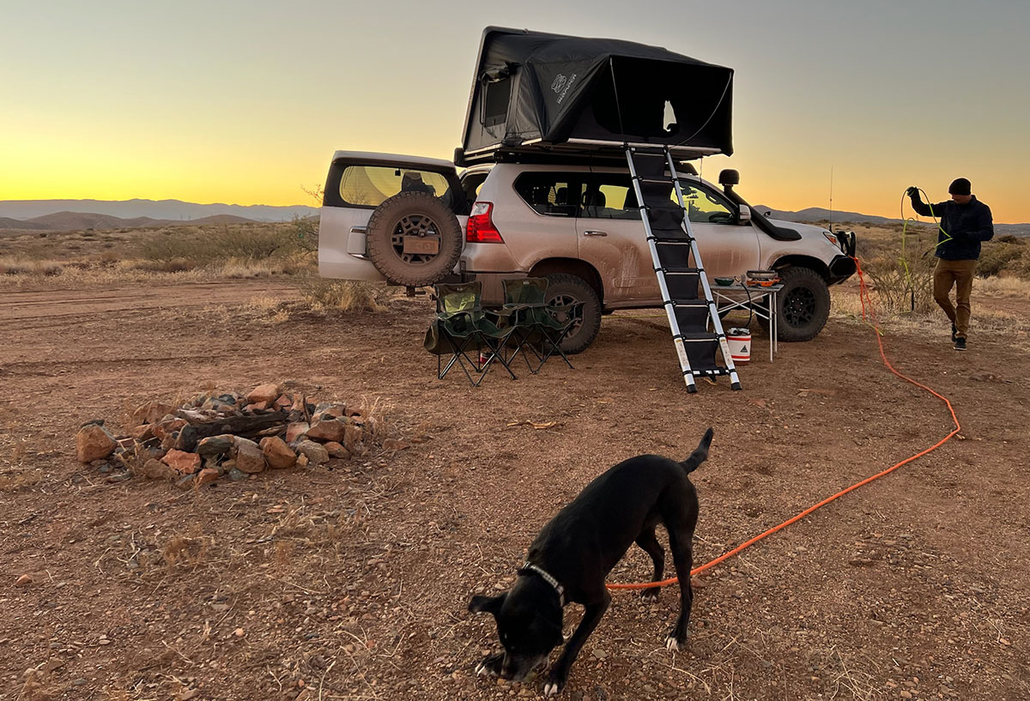
If your desert season plans include camping, overlanding, or spending several days away from town, inspect your camping equipment before loading up the truck or trailer.
Gear that has been sitting in storage for months may need cleaning, repairs, fresh batteries, or replacement parts. Set everything up at home so you can identify missing or damaged equipment before leaving.
Check your:
- Tent, rooftop tent, or camper
- Sleeping bags, blankets, and sleeping pads
- Camp stove and cooking equipment
- Lighting and power systems
- Water storage and filtration equipment
- Food storage and coolers
- Chairs, tables, and shade structures
- Spare batteries, charging cables, and power banks
If you use a rooftop tent or carry additional camping equipment, remember that the added weight can affect your vehicle’s suspension. Extra gear, water, passengers, and other accessories change how your truck responds to bumps and rough terrain.
If your vehicle’s load has changed significantly since your suspension was originally set up, it may be worth reviewing your spring rates and shock tuning. A suspension setup designed around your actual vehicle weight can help improve ride quality and control both on the highway and off-road.
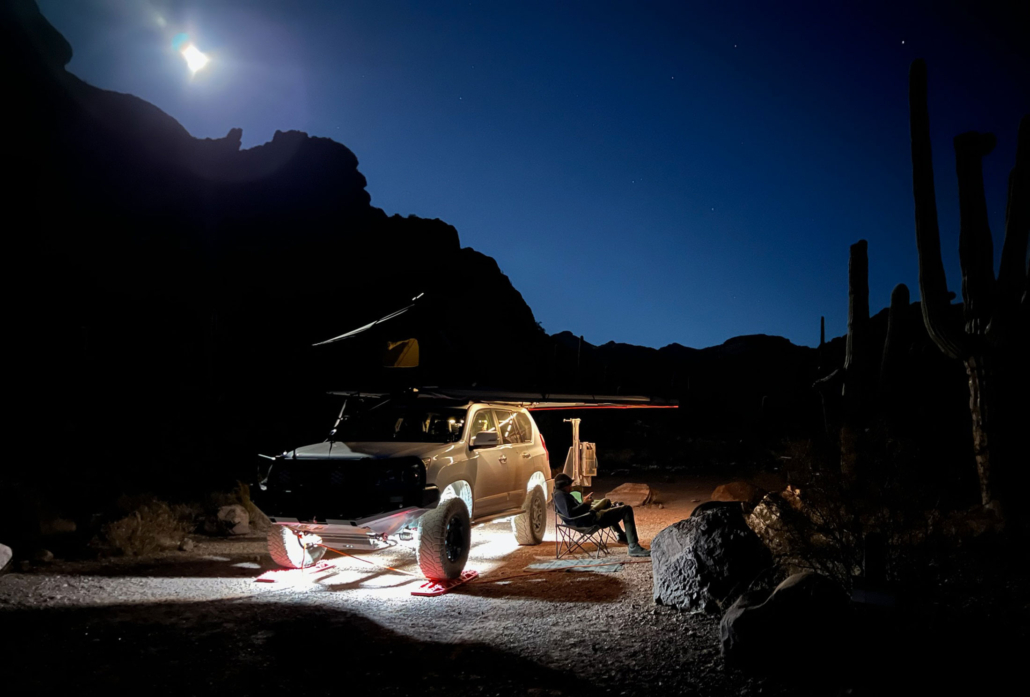
7. Check Headlights, Flashlights, and Emergency Lighting
Desert season in the western United States typically falls during late fall, winter, and early spring, when daylight hours are shorter. A planned day trip can easily extend into the evening because of trail conditions, recovery situations, or unexpected mechanical problems.
Before heading out, check all exterior lights and emergency lighting.
Inspect your:
- Headlights and high beams
- Brake lights and turn signals
- Reverse lights
- Auxiliary driving lights
- Flashlights and headlamps
- Portable work lights
Replace weak batteries and carry spares for battery-powered equipment. If your lighting relies on rechargeable batteries, charge everything before leaving and bring backup power when appropriate.
Good lighting is especially valuable when changing a tire, inspecting suspension components, making trail repairs, or setting up camp after dark.
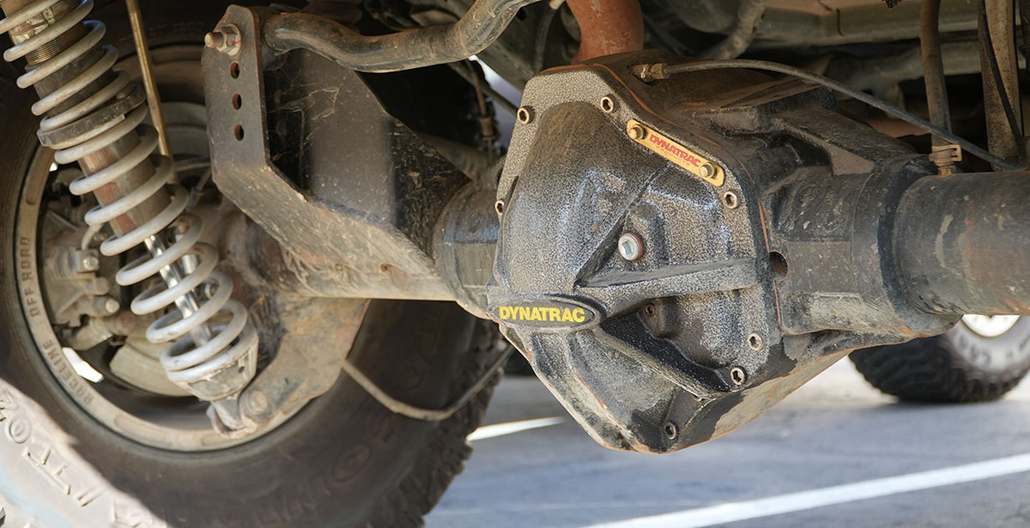
8. Check Engine Oil, Coolant, and Other Vehicle Fluids
Desert driving can put additional strain on your engine, transmission, drivetrain, and cooling system. Low fluid levels, neglected maintenance, and cooling system problems can become much more serious when the vehicle is working hard in hot conditions.
Before your first trip, check the condition and level of your:
- Engine oil
- Engine coolant
- Transmission fluid, where serviceable
- Differential and transfer case fluids
- Brake fluid
- Power steering fluid, if applicable
- Windshield washer fluid
Follow the manufacturer’s maintenance schedule for fluid replacement and inspections. Simply topping off a fluid does not address contamination, deterioration, or an overdue service interval.
Also inspect the radiator, cooling fans, hoses, and visible connections for signs of damage or leaks. Make sure the cooling system is functioning properly before subjecting the vehicle to sustained loads or slow driving in challenging terrain.
If your vehicle has been sitting for an extended period, a pre-season maintenance appointment can help identify issues before they interrupt your trip.
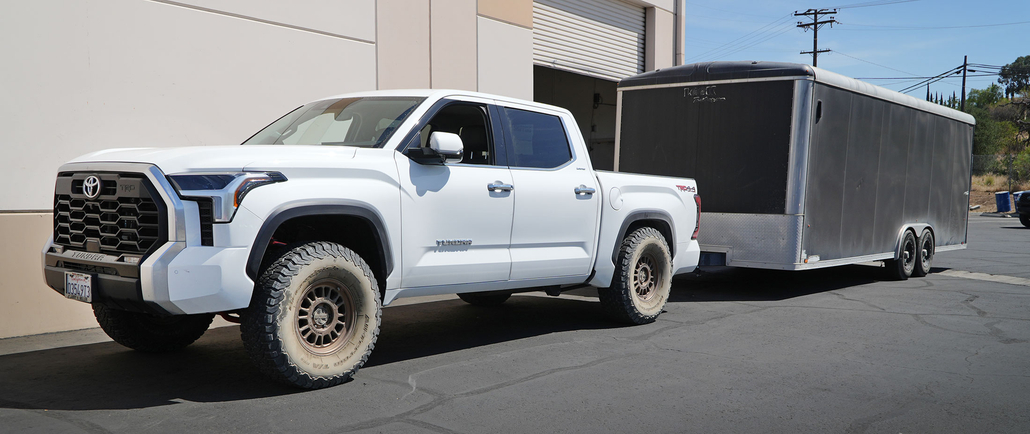
9. Prepare Your Trailer Before Hauling Your Off-Road Rig
If you transport your truck, prerunner, UTV, or other off-road vehicle on a trailer, remember that trailer maintenance is just as important as vehicle maintenance.
A trailer tire failure or wheel bearing problem can turn a straightforward drive to the desert into an expensive roadside repair. In severe cases, a tire blowout can cause the trailer to become unstable and damage the trailer, tow vehicle, or off-road rig.
Before heading out, check the following:
- Inspect trailer tires for cracking, bulges, uneven wear, and other damage.
- Check tire pressure when the tires are cold.
- Inspect the spare tire and make sure it is properly inflated.
- Check tire age, not just tread depth.
- Inspect wheel bearings and service them according to the manufacturer’s recommendations.
- Check trailer brakes, lights, wiring, and safety chains.
- Inspect the deck, ramps, tie-down points, and straps.
- Verify that your load is secured and properly distributed.
Trailer tires often need replacement based on age and condition, even when the tread still looks good. A common general guideline is to begin planning for replacement around three to five years, but tire manufacturer recommendations, storage conditions, use, and inspection results should determine the appropriate timing.
If you regularly tow long distances, consider carrying a compatible spare tire and the tools needed to change it safely. Make sure your trailer is rated for the loaded weight of your vehicle and equipment.
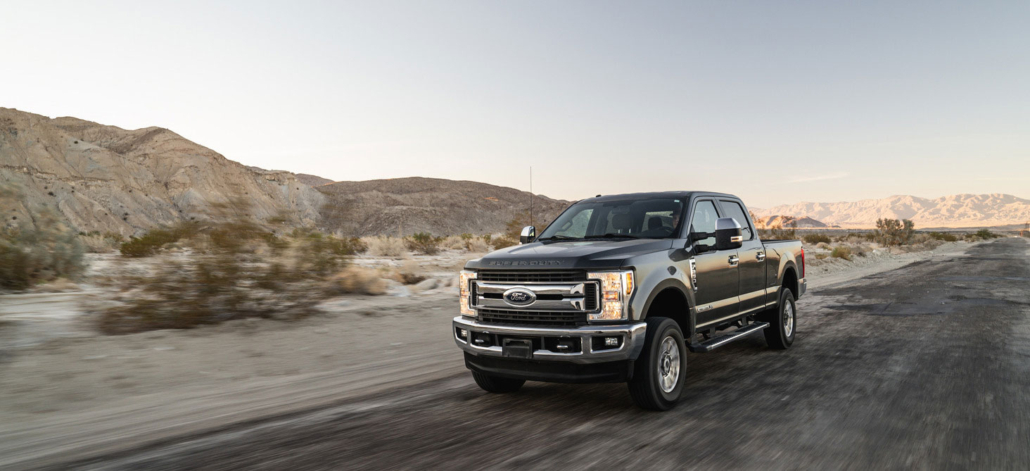
10. Service Your Tow Vehicle Before the Season Starts
Your tow rig is responsible for getting your off-road vehicle, trailer, camping gear, and supplies to the trailhead. If it is not properly maintained, your desert trip could end before the off-road portion even begins.
Before the season starts, inspect the vehicle you use for towing.
Check the engine oil, coolant, tires, brakes, lights, and windshield wipers. Inspect suspension and steering components, check for fluid leaks, and make sure the battery is in good condition.
If your tow vehicle has a maintenance interval approaching, take care of it before leaving. Also verify your towing capacity, payload limits, hitch rating, trailer brake operation, and tire load ratings for your actual loaded setup.
A properly maintained tow vehicle makes the trip to and from the desert safer and helps reduce the chance of an unexpected breakdown.
Bonus Tip: Make Sure Your Suspension Is Ready for Your Driving Style
Preparing for desert season is about more than checking for leaks and tightening bolts. Your suspension setup should also match your vehicle’s weight, tire size, driving style, and intended terrain.
A truck built for slow trail driving may have different suspension requirements than a prerunner driven at higher speeds over desert whoops and rough terrain. Spring rates, shock valving, available suspension travel, and vehicle weight all influence how the suspension performs.
If your truck bottoms out frequently, feels harsh over small bumps, loses control over repeated impacts, or rides differently than it used to, do not automatically assume the solution is to add more damping. Those symptoms can have several causes, including incorrect spring rates, worn components, unsuitable shock tuning, or limitations in suspension geometry and travel.
A professional suspension inspection can help identify the underlying issue and determine whether your vehicle needs routine shock service, a revalve, spring rate adjustments, or other repairs.
At AccuTune Offroad, we work with off-road enthusiasts to service and tune performance shocks for their specific vehicle setup and driving needs. Whether you are maintaining a trail truck, upgrading a daily-driven 4×4, or preparing a high performance desert rig, properly maintained suspension is an important part of a reliable off-road setup. Are you looking to upgrade suspension on your vehicle? We can help with suspension installation of any products sold on AccuTuneOffroad.com.
Get Your Off-Road Vehicle Ready for Desert Season
Desert season is one of the best times of year to explore new trails, spend time outdoors, and put your off-road build to use. Taking care of routine maintenance before your trip helps reduce the chances of preventable problems and gives you more time to enjoy the adventure.
Before you head out, inspect your suspension, check your shocks, service overdue maintenance items, prepare your recovery gear, and make sure your camping and emergency supplies are ready.
Most importantly, do not wait until the day before a trip to discover that your shocks need a rebuild or your vehicle has a mechanical issue. A little preparation now can save time, money, and frustration later.
Need off-road shock service before desert season? Contact AccuTune Offroad to discuss shock rebuilds, suspension maintenance, and tuning options for your vehicle. Get your suspension checked before the next trip so you can spend less time dealing with problems and more time enjoying the trails.





Leave a Reply
Want to join the discussion?Feel free to contribute!